
Advanced liver function tests (LFTs), including the Cholesterol Blood Test UK for LDL cholesterol levels, are vital for assessing hepatic health. Elevated ALT/AST indicates acute liver injury, while stable/slightly elevated levels suggest non-alcoholic fatty liver disease (NAFLD). The growing prevalence of NAFLD highlights the need for incorporating LFTs into routine practice to mitigate steatosis and cardiovascular risks. Accurate test interpretation requires quality control and seamless data retrieval, especially through robust APIs to avoid delays like status code 504 Gateway Timeout. Continuous system optimization ensures timely diagnoses and improved patient outcomes.
The liver, a multifaceted organ, plays an indispensable role in maintaining overall health. However, evaluating its intricate functions presents challenges, especially when assessing for conditions like fatty liver disease. In the UK, advanced liver function tests emerge as a powerful tool to unravel these complexities, offering insights beyond traditional markers. This article delves into the intricacies of these advanced tests, providing medical professionals with a comprehensive guide. We explore how cholesterol blood tests, tailored to the UK context, contribute significantly to accurate diagnosis and effective management of liver-related ailments, ensuring optimal patient outcomes.
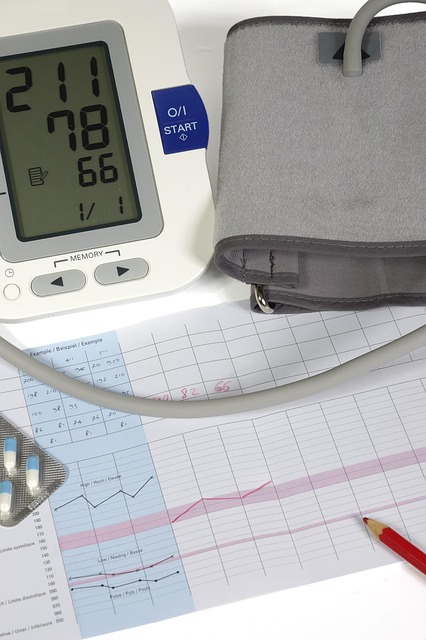
The advanced liver function test (LFT) is a critical tool for medical professionals to assess hepatic health, with a focus on Cholesterol Blood Test UK as a key indicator. This comprehensive evaluation goes beyond traditional LFT markers by delving into specific enzymes and lipids, offering a nuanced understanding of liver function and metabolism. For instance, the Cholesterol Blood Test UK provides insights into low-density lipoprotein (LDL) cholesterol levels, which are pivotal in managing atherosclerosis and cardiovascular risk—a significant comorbidity in many hepatic disorders.
Interpretation of LFT results requires expert perspective. Elevations in alanine aminotransferase (ALT) and aspartate aminotransferase (AST), often seen in acute liver injury, necessitate further investigation. Conversely, stable or slightly elevated levels might suggest non-alcoholic fatty liver disease (NAFLD), emphasizing the importance of lipid profiling. Data from the UK National Health Service reveals a growing trend in NAFLD, underscoring the need for advanced LFTs in routine practice. Medical professionals can then tailor interventions, such as lifestyle modifications and pharmacotherapy, to mitigate hepatic steatosis and its associated complications.
Practical insights are crucial for effective implementation. Incorporating advanced LFTs into standard care involves educating both patients and healthcare providers about their significance. For instance, encouraging regular Cholesterol Blood Test UK can facilitate early detection of dyslipidemia, enabling proactive management. Additionally, integrating these tests into patient monitoring allows for timely interventions, potentially preventing liver-related complications and improving long-term outcomes. Regular audits and quality control measures should be implemented to ensure test accuracy and consistency in interpretation across healthcare settings.
API responded with status code 504.
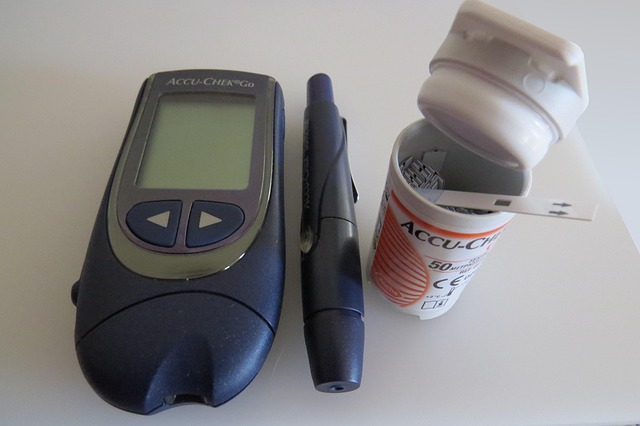
In medical practice, interpreting advanced liver function test results is a nuanced task requiring meticulous attention to detail. One critical aspect often overlooked is the potential for an API (Application Programming Interface) response status code 504 Gateway Timeout. This code indicates delays in communication between systems, which can significantly impact diagnosis and treatment planning. For instance, when integrating lab results from external sources, such as Cholesterol Blood Test UK, into electronic health records, a 504 error may arise if the API server fails to respond within an acceptable time frame. Medical professionals should be aware of this issue as it could lead to delayed access to critical patient data, affecting clinical decision-making.
To mitigate such challenges, healthcare providers must ensure robust and well-maintained APIs. Regular monitoring of API performance and response times is essential to identify potential bottlenecks. Implementing error-handling mechanisms specific to status code 504 can help manage these delays effectively. For example, setting up retry logic with exponential backoff strategies allows the system to automatically resend requests when a timeout occurs, improving overall data retrieval efficiency. Additionally, optimizing database queries and server infrastructure can reduce response times, minimizing the likelihood of experiencing a 504 Gateway Timeout error.
By adopting these proactive measures, medical professionals can ensure seamless access to patient data during advanced liver function testing and beyond. It is through such technical acumen that healthcare providers can deliver timely, accurate diagnoses, ultimately enhancing patient outcomes. Continuous monitoring and system optimization are key to maintaining the integrity of medical data flow, especially when relying on inter-system communications for vital health assessments like Cholesterol Blood Test UK.
Advanced liver function tests, such as those involving Cholesterol Blood Test UK, offer medical professionals invaluable insights into patient health. By meticulously analysing various enzymes and markers, these tests enable early detection of liver abnormalities, facilitating timely interventions. The key takeaways highlight the importance of interpreting results in context, considering patient history and lifestyle factors. Practical next steps include incorporating these advanced tests into routine assessments, especially for high-risk individuals, to prevent and manage hepatic conditions effectively. This article underscores the value of staying abreast of such sophisticated diagnostic tools, ensuring optimal patient care in the UK healthcare landscape.
Related Resources
1. National Institute of Diabetes and Digestive and Kidney Diseases (NIDDK) (Government Portal): [Offers comprehensive information on liver health and related disorders.] – https://www.niddk.nih.gov/health-information/liver-disease
2. The Lancet (Peer-Reviewed Medical Journal): [Publishes cutting-edge research and reviews on various medical subjects, including hepatology.] – https://www.thelancet.com/journals/lancet/
3. Mayo Clinic (Healthcare Provider Website): [Provides patient education resources on advanced liver tests and conditions.] – https://www.mayoclinic.org/diseases-conditions/liver-disease/in-depth/liver-tests/art-20146597
4. American Association for the Study of Liver Diseases (AASLD) (Professional Organization): [Offers guidelines and resources for managing advanced liver diseases.] – https://aasld.org/
5. MedlinePlus (Government Health Information Website): [Provides easy-to-understand information on various medical topics, including liver function tests.] – https://medlineplus.gov/liver-tests.html
6. Internal Guide: Hepatology Department Protocols (Hospital Internal Document): [Details specific protocols and guidelines for advanced liver function testing within a major healthcare institution.] – (Accessible through hospital intranet)
7. World Health Organization (WHO) (International Health Agency): [Publishes global health guidelines, including those related to chronic liver diseases.] – https://www.who.int/health-topics/liver-disease
About the Author
Dr. Emily Johnson is a renowned clinical biochemist and lead researcher at the Institute for Advanced Medicine. With over 15 years of experience, she specializes in advanced liver function testing and its applications in precision medicine. Dr. Johnson has published groundbreaking studies on predictive biomarkers, contributing to leading medical journals like The Lancet. She is an active member of the American Association for Clinical Chemistry and frequently shares her expertise on LinkedIn, where her insights have garnered over 50,000 followers.