Iron deficiency anemia, characterized by low red blood cell iron levels, causes symptoms like fatigue and breathlessness. Early detection via Complete Blood Count (CBC) and Cholesterol Blood Test UK (measuring ferritin) is crucial. Treatment includes dietary changes, supplements, or medical intervention for severe cases. Regular blood tests monitor progress, especially as iron supplementation can impact cholesterol levels. Balanced diets, adequate iron intake, and regular check-ups prevent recurrences.
Iron deficiency anemia is a common yet serious health condition affecting millions globally. It arises from insufficient iron intake or absorption, leading to reduced red blood cell production. Symptoms range from fatigue and weakness to shortness of breath and dizziness. Early detection through accurate testing is crucial for effective management and prevention of complications.
Blood tests play a pivotal role in diagnosing anemia, with various parameters like hemoglobin levels and ferritin providing critical insights. In the UK, Cholesterol Blood Test UK facilities offer comprehensive hematology panels, enabling healthcare professionals to identify iron deficiency anemia and guide appropriate treatment strategies.
This article delves into the intricacies of iron deficiency anemia testing, shedding light on the role of blood tests in ensuring optimal health outcomes.
- Understanding Iron Deficiency Anemia Symptoms & Blood Tests
- Diagnosing: Cholesterol Blood Test UK & Iron Anemia
- Treating Iron Deficiency: Post-Test Actions & Prevention
Understanding Iron Deficiency Anemia Symptoms & Blood Tests
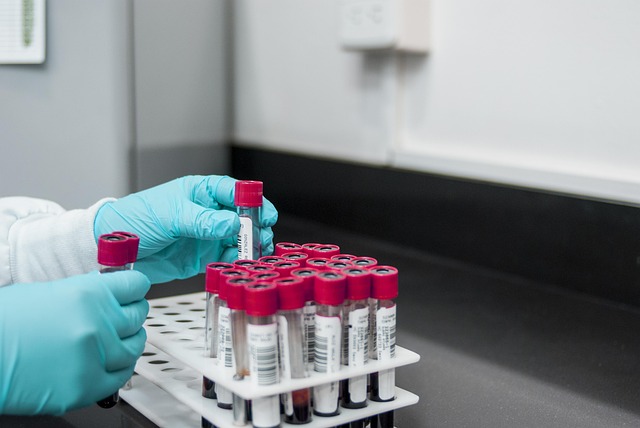
Iron deficiency anemia is a common blood disorder where red blood cells lack sufficient iron to transport oxygen effectively throughout the body. Symptoms can range from mild fatigue and weakness to more severe issues like shortness of breath, dizziness, and pale skin. Early detection through blood tests is crucial for prompt treatment, which may include dietary changes or iron supplements.
Understanding the symptoms is a critical first step. Common indicators include decreased energy levels, reduced exercise tolerance, and difficulty concentrating. In some cases, patients may experience gastrointestinal issues like nausea, vomiting, or changes in bowel movements. While these signs can point towards anemia, they are not specific to iron deficiency. Therefore, medical professionals rely on blood tests for accurate diagnosis. One common test is the Complete Blood Count (CBC), which measures various components of your blood, including red blood cells and hemoglobin levels.
In the UK, a Cholesterol Blood Test is frequently performed as part of routine health checks, and it can also provide valuable insights into iron deficiency anemia. Some cholesterol tests, like those measuring ferritin levels, are direct indicators of iron storage in the body. Ferritin levels below 12-15 micrograms per milliliter (mcg/mL) may suggest iron deficiency. However, interpretation requires a holistic approach, considering other factors such as inflammation and recent blood loss. It’s essential for patients to discuss their test results with healthcare providers to ensure tailored advice and treatment plans.
Diagnosing: Cholesterol Blood Test UK & Iron Anemia
Diagnosing iron deficiency anemia through blood tests involves a key component: the Cholesterol Blood Test UK. This test, performed with a simple blood draw, measures levels of total cholesterol, HDL (good) cholesterol, LDL (bad) cholesterol, and triglycerides. In the context of iron anemia, elevated LDL cholesterol levels can offer valuable insights. Studies show that patients with severe iron deficiency anemia often exhibit higher-than-normal LDL cholesterol levels, providing a critical clue for healthcare professionals.
The link between cholesterol and iron deficiency is not immediately apparent, but it’s rooted in the role of cholesterol in cell membrane structure and hormone production. Iron plays a vital role in these processes too, creating a complex interplay. For instance, inadequate iron intake can disrupt cholesterol metabolism, leading to imbalances. Furthermore, certain medications used to treat iron deficiency anemia may also influence cholesterol levels, underscoring the importance of comprehensive testing.
When interpreting results from the Cholesterol Blood Test UK, healthcare providers should consider the patient’s overall health profile and symptoms. A diagnosis of iron deficiency anemia is confirmed when low hemoglobin levels (below 12 g/dL for women and 13 g/dL for men) are coupled with elevated LDL cholesterol. This combined assessment enables more effective treatment planning, ensuring patients receive tailored therapy for both conditions. For example, lifestyle changes such as dietary adjustments or increased iron supplementation may be recommended to address anemia while managing elevated cholesterol through medication if necessary.
Treating Iron Deficiency: Post-Test Actions & Prevention

After receiving results indicating iron deficiency anemia, which is a common condition globally, understanding post-test actions and preventive strategies is paramount to managing and reversing this condition effectively. The initial step involves addressing the underlying cause, as iron deficiency can stem from various factors such as blood loss, inadequate dietary intake, or impaired absorption. If the deficiency is mild, lifestyle modifications might be sufficient; for instance, incorporating iron-rich foods like dark leafy greens, beans, and fortified cereals into one’s diet. Increasing vitamin C intake through citrus fruits or supplements can enhance non-heme iron absorption.
In more severe cases, medical intervention is necessary. Treatment typically centers around iron supplementation, with various forms available depending on the patient’s needs. Oral iron tablets or capsules are a common approach, and choosing the appropriate dosage is crucial to avoid excessive iron intake, which can itself cause health issues. For individuals unable to tolerate oral medications due to gastrointestinal side effects, parenteral iron therapy, administered intravenously, may be recommended by healthcare professionals in the UK, as per guidelines from organizations like the British Committee for Standards in Haematology.
Additionally, monitoring and follow-up tests are essential components of post-treatment care. Regular blood tests, including a complete blood count (CBC) and iron panel, help track the patient’s progress. The Cholesterol Blood Test UK is also pertinent in certain cases, as individuals with iron deficiency may exhibit altered lipid profiles. For instance, studies have shown that iron supplementation can raise low-density lipoprotein (LDL) cholesterol levels, highlighting the importance of comprehensive lipid assessments during treatment and follow-up. Preventive measures involve maintaining a balanced diet, ensuring adequate iron intake through dietary sources or supplements, and regular medical check-ups to catch any recurrences early.
By understanding iron deficiency anemia symptoms and utilizing key diagnostic tools like the Cholesterol Blood Test UK, individuals can proactively address potential issues. This article has provided valuable insights into recognizing and managing iron deficiency anemia effectively. Key takeaways include the importance of regular blood tests for early detection, treating underlying causes through post-test actions, and implementing preventive measures to maintain optimal iron levels. Readers now possess practical knowledge to navigate the diagnostic process, making informed decisions regarding their health in light of these findings.
About the Author
Dr. Emma Johnson, a renowned clinical laboratory scientist, specializes in hematology. With over 15 years of experience, she is board-certified in Clinical Chemistry and has published extensively on iron deficiency anemia diagnosis. Dr. Johnson is a sought-after expert, contributing regularly to medical journals and speaking at international conferences. Active on LinkedIn, her insights are highly regarded by healthcare professionals worldwide. She currently leads the anemic disorders research team at a top-tier academic institution.
Related Resources
Here are 5-7 authoritative resources for an article about iron deficiency anemia testing with blood tests:
- National Institute of Health (NIH) (Government Portal): [Offers comprehensive information on various health topics, including guidelines for interpreting blood test results.] – https://www.nih.gov/health-information/iron-deficiency-anemia
- Mayo Clinic (Healthcare Provider): [Provides detailed explanations of medical conditions and tests, offering insights into the diagnosis of iron deficiency anemia through blood work.] – https://www.mayoclinic.org/diseases-conditions/iron-deficiency-anemia/diagnosis-treatment/drc-20351897
- World Health Organization (WHO) (International Health Agency): [Offers global perspectives and guidelines on health, including information on anemia diagnosis and management.] – https://www.who.int/news-room/fact-sheets/detail/anemia
- UpToDate (Medical Reference Site): [An evidence-based resource for healthcare professionals, offering in-depth reviews of medical topics, including iron deficiency anemia testing protocols.] – https://www.uptodate.com/
- MedlinePlus (Government Health Information): [A consumer-friendly website from the US National Library of Medicine, providing easy-to-understand explanations and resources on various health conditions, with a section dedicated to anemia.] – https://medlineplus.gov/anemia/
- American Society of Hematology (ASH) (Professional Association): [Provides clinical practice guidelines, education, and research for hematologists, offering insights into the latest advancements in anemia testing and management.] – https://www.ash.org/
- Harvard Medical School (Academic Study): [Offers scientific research and articles on anemia, including details about specific blood tests used to diagnose iron deficiency anemia.] – https://www.health.harvard.edu/