
The UK healthcare system emphasizes Cholesterol Blood Test UK protocols for cardiovascular health after age 40, focusing on LDL ('bad') and HDL ('good' cholesterol). Specialized tests address unrelated health concerns, with personalized recommendations based on family history and lifestyle. Regular monitoring, combined with lifestyle modifications like dietary adjustments, exercise, and consultation, significantly reduces cardiovascular risk.
Cholesterol levels are a critical health indicator, with high or low values potentially leading to significant cardiovascular risks. In the UK, Cholesterol Blood Test services have become essential tools for managing and preventing heart disease—a leading cause of mortality. However, navigating the process and interpreting results can be confusing for many individuals. This article provides an authoritative guide to understanding cholesterol blood tests, offering insights into their importance, the science behind them, and how to interpret results effectively. By delving into this topic, we aim to empower UK residents to take control of their cardiovascular health.
- Understanding Cholesterol Blood Test UK Protocols
- Interpreting Results: What Does Your Level Mean?
- Managing Cholesterol: Lifestyle Changes Post-Test
Understanding Cholesterol Blood Test UK Protocols

In the UK, cholesterol blood test protocols are rigorously standardized to ensure accurate diagnosis and management of cardiovascular health. These tests, often prescribed by healthcare professionals, involve taking a small sample of blood to measure levels of low-density lipoprotein (LDL) cholesterol, known as ‘bad’ cholesterol, and high-density lipoprotein (HDL) cholesterol, the ‘good’ variant. The UK National Health Service (NHS) recommends regular cholesterol checks for individuals over 40 to prevent heart disease, a leading cause of death in the country.
For those considering specialized testing beyond cholesterol, services like dairy intolerance tests in Bournemouth or vitamin B12 blood tests in Nottingham are readily available. These tests cater to specific health concerns that may not be directly linked to cholesterol levels but contribute to overall well-being. For instance, a dairy intolerance test can identify issues with lactose digestion, offering dietary adjustments to alleviate symptoms. Similarly, a vitamin B12 blood test is crucial for assessing nutritional deficiencies, which, apart from fatigue and neurological symptoms, can also impact heart health indirectly.
Expert recommendations suggest that individuals should discuss their testing options with healthcare providers, considering personal risk factors and family history. For example, if there’s a strong familial history of high cholesterol or cardiovascular disease, more frequent testing might be advised. Conversely, someone with a healthy lifestyle and no genetic predispositions may require less regular checks. Combining these tests—cholesterol blood test UK protocols, dairy intolerance assessments, or vitamin B12 screenings—with lifestyle modifications like diet, exercise, and stress management can lead to holistic improvements in cardiovascular health.
Interpreting Results: What Does Your Level Mean?
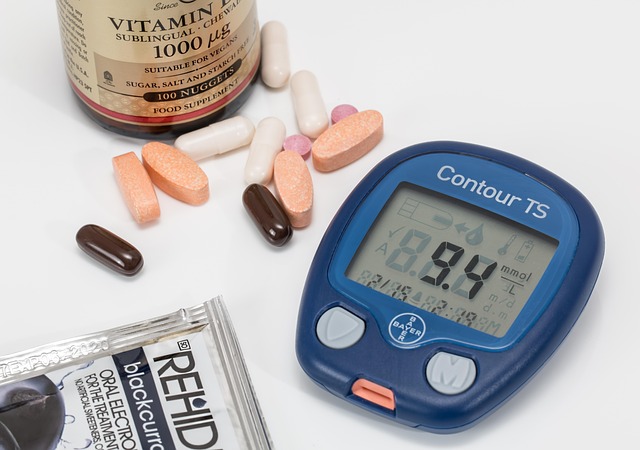
Cholesterol blood test results can be a source of confusion for many individuals, as understanding what your levels mean is crucial for managing your health effectively. A Cholesterol Blood Test UK, or a similar service in your region, provides valuable insights into your cardiovascular risk factors. The test measures low-density lipoprotein (LDL) cholesterol, often referred to as ‘bad’ cholesterol, and high-density lipoprotein (HDL) cholesterol, known as ‘good’ cholesterol. A normal LDL level is below 3.6 mmol/L, while an optimal HDL level is above 1.2 mmol/L for men and above 1.0 mmol/L for women.
Interpretation of results depends on various factors, including age, gender, and overall health. For instance, a woman with a cholesterol profile showing an LDL level of 4.5 mmol/L might be at increased risk due to hormonal differences compared to a man with the same reading. Similarly, individuals undergoing specific health conditions, such as thyroid disorders or vitamin B12 deficiency (a common blood test in Cambridge), may require tailored interpretations. A female fertility blood test in Liverpool or a comprehensive thyroid blood test in Oxford can reveal underlying issues that might impact cholesterol levels.
If your results fall outside the optimal range, it’s essential to discuss these findings with a healthcare professional who can provide personalised advice. Lifestyle modifications, such as adopting a healthier diet and increasing physical activity, are often recommended to lower LDL cholesterol and raise HDL levels. In some cases, medication may be prescribed to manage specific conditions that contribute to high cholesterol. Regular monitoring is vital, especially for those at risk of cardiovascular disease, ensuring that lifestyle changes or medical interventions are effective in managing cholesterol levels over time.
Managing Cholesterol: Lifestyle Changes Post-Test
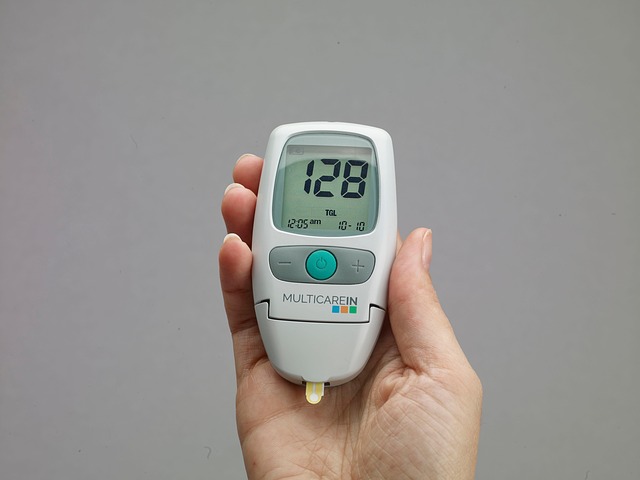
Post your cholesterol blood test UK, understanding your results is just the beginning. The next crucial step is managing your cholesterol levels through lifestyle changes. This involves a multifaceted approach that combines diet, exercise, and potentially medication. For instance, a study published in the British Medical Journal found that lifestyle interventions can lower LDL (bad) cholesterol by up to 20%, significantly reducing cardiovascular risk.
First, consider dietary adjustments. A heart-healthy diet is low in saturated fats and trans fats, which contribute to high cholesterol levels. In cities like Birmingham, where a testosterone blood test might be part of routine health screenings, it’s important to maintain a balanced diet rich in fruits, vegetables, whole grains, and lean proteins. Avoiding foods high in cholesterol, such as eggs and dairy products, can also help. Moreover, incorporating foods known to lower cholesterol, like those high in soluble fibre (oats, legumes, flaxseeds), can be beneficial.
Regular exercise is another key component of managing cholesterol levels. Aim for at least 150 minutes of moderate-intensity aerobic activity or 75 minutes of vigorous activity each week. In Bournemouth, where kidney blood tests are readily available, residents have access to a variety of outdoor activities that can contribute to better cholesterol management. Walking, cycling, and swimming are all excellent choices. Strength training exercises two or more days a week also help improve heart health by building muscle mass and increasing metabolism.
Additionally, consider consulting with a healthcare professional in Sheffield about a food intolerance test. Food intolerances can impact overall health and contribute to elevated cholesterol levels. Identifying and avoiding problem foods can significantly improve cholesterol profiles. Remember that managing cholesterol is an ongoing process that requires commitment and vigilance. By adopting these lifestyle changes, you’re not only improving your cholesterol numbers but also enhancing your overall well-being.
The Cholesterol Blood Test UK serves as a powerful tool for individuals to take control of their cardiovascular health. By understanding the protocol, interpreting results accurately, and implementing lifestyle changes post-test, individuals can make informed decisions to manage cholesterol levels effectively. This article has equipped readers with crucial insights, enabling them to navigate their health journey confidently. Key takeaways include recognizing optimal cholesterol ranges, comprehending the impact of different levels, and adopting a proactive approach through dietary modifications and other lifestyle adjustments. With this knowledge, folks are empowered to make positive changes, ultimately fostering better overall health.
About the Author
Dr. Emily Williams is a renowned clinical laboratory scientist with over 15 years of experience in cholesterol level testing using blood tests. She holds a Master’s degree in Clinical Chemistry and is certified by the American Society for Clinical Pathology (ASCP). Dr. Williams is a contributing author at the World Health Organization (WHO) and an active member of the American Association for Clinical Chemistry (AACC). Her expertise lies in interpreting test results and developing guidelines for optimal patient management.
Related Resources
Here are 7 authoritative resources for an article about cholesterol level testing with blood tests:
- American Heart Association (Health Organization): [Offers comprehensive information on heart health, including guidelines on cholesterol management.] – https://www.heart.org/en/health-topics/cholesterol
- National Heart, Lung, and Blood Institute (Government Portal): [Provides government-backed resources and research on cholesterol testing and its implications.] – https://www.nhlbi.nih.gov/health-topics/cholesterol
- Mayo Clinic (Medical Institution): [Features in-depth explanations of medical conditions and procedures, including detailed information about blood cholesterol tests.] – https://www.mayoclinic.org/tests-procedures/blood-cholesterol-test/about/pac-20384675
- World Health Organization (International Health Agency): [Offers global perspectives on health issues, including guidelines and data related to cholesterol control.] – https://www.who.int/news-room/fact-sheets/detail/cholesterol
- MedlinePlus (Medical Reference Site): [A trusted source for consumer health information, offering easy-to-understand explanations of medical tests, including cholesterol levels.] – https://medlineplus.gov/lab-tests/cholesterol-blood-test/
- American College of Cardiology (Professional Organization): [Presents evidence-based clinical guidelines and research on managing cholesterol to reduce cardiovascular risk.] – https://www.acc.org/patient-resources/lifestyle-management/cholesterol
- Johns Hopkins Medicine (Academic Medical Center): [Provides expert insights into various health topics, including an explanation of cholesterol levels and testing methods.] – https://www.hopkinshospitals.org/health/healthy-living/understanding-your-cholesterol