
Home wellness check-ups, including the Cholesterol Blood Test UK, are gaining popularity as a proactive approach to health management. This test measures LDL, HDL, and triglyceride levels, with optimal ranges set by the British Heart Foundation. Home kits offer convenience but should be used alongside professional advice. Regular monitoring is crucial for early interventions reducing cardiovascular events, especially for those with age-related or familial cholesterol risks. Understanding and managing cholesterol levels significantly impacts long-term health outcomes.
In today’s fast-paced world, maintaining optimal health often takes a back seat to our busy lives. Regular well person check-ups are essential for early detection of potential health issues, allowing for prompt intervention and effective management. One crucial aspect often overlooked is monitoring cholesterol levels through a Cholesterol Blood Test UK, which can significantly reduce the risk of cardiovascular diseases. This comprehensive exploration aims to demystify home-based check-ups, highlighting their benefits, accurate methods, and the profound impact they can have on your overall well-being. By providing evidence-based insights, we empower individuals to take control of their health effortlessly.
- Understanding Home Wellness Check-ups: A Comprehensive Guide
- The Benefits of Regular Health Screenings at Home
- Cholesterol Blood Test UK: Importance & How to Prepare
Understanding Home Wellness Check-ups: A Comprehensive Guide
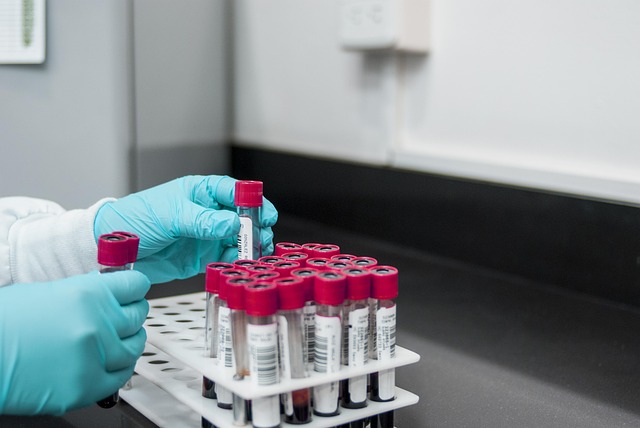
Home wellness check-ups are becoming increasingly popular as people seek convenient, comfortable, and comprehensive ways to monitor their health. This approach, often referred to as a well person check-up, allows individuals to take an active role in managing their overall wellbeing. One key component of these checks is the Cholesterol Blood Test UK, a vital indicator of cardiovascular health that has been shown to significantly impact long-term health outcomes. According to the British Heart Foundation, high cholesterol levels are a major risk factor for heart disease and stroke, with nearly 8.5 million people in the UK having elevated cholesterol.
The Cholesterol Blood Test UK typically measures three main types of cholesterol: low-density lipoprotein (LDL), high-density lipoprotein (HDL), and triglycerides. An optimal LDL level is below 4 mmol/L, while a healthy HDL level is above 1.2 mmol/L for men and 1.0 mmol/L for women. Elevated triglyceride levels, usually above 1.7 mmol/L, are also a cause for concern. These tests can be conducted at home using finger-prick devices or blood samples drawn by a healthcare professional. Home testing kits offer convenience and privacy but should be used in conjunction with expert advice for accurate interpretation.
A comprehensive guide to home wellness check-ups emphasizes the importance of regular monitoring, especially as individuals age or have familial history of cholesterol-related conditions. For instance, a study published in The Lancet found that long-term tracking of lipid levels through home testing can help identify individuals at high risk who may benefit from early interventions such as lifestyle changes or medication. By understanding and managing cholesterol levels, individuals can significantly reduce their risk of cardiovascular events, enabling them to live healthier, more fulfilling lives.
The Benefits of Regular Health Screenings at Home

Regular health screenings at home offer a convenient and increasingly accessible way to monitor overall well-being. This shift towards personalized healthcare is particularly beneficial for preventive care, allowing individuals to identify potential health issues early when interventions are most effective. One essential screening that has gained prominence in recent years is the Cholesterol Blood Test UK, which plays a crucial role in cardiovascular health management. According to the British Heart Foundation, heart disease remains the leading cause of death in the UK, highlighting the critical need for proactive measures such as regular cholesterol checks.
At-home testing kits provide a simple and discrete way for individuals to measure their cholesterol levels. These kits are designed with user-friendliness in mind, enabling people to perform the test in the comfort of their homes without the need for clinical settings. The data obtained from these tests can empower individuals to make informed decisions about their health. For instance, high levels of LDL (low-density lipoprotein) cholesterol, often referred to as ‘bad’ cholesterol, have been linked to an increased risk of heart disease and stroke. Early detection through home screenings can prompt lifestyle changes or discussions with healthcare professionals about medication options, thus potentially reducing the risk of serious cardiovascular events.
Moreover, regular home health screenings foster a deeper connection between individuals and their bodies. By incorporating these tests into routine self-care practices, people become more attuned to subtle changes in their physical well-being. This proactive mindset can lead to timely interventions and improved overall health outcomes. For instance, a study published in the Journal of Telemedicine and Telecare found that participants who regularly monitored their vital signs at home demonstrated better management of chronic conditions and reported enhanced quality of life compared to those relying solely on clinic visits. As technology advances, home screening kits become increasingly sophisticated, offering accurate and reliable results that bridge the gap between clinical care and individual wellness management.
Cholesterol Blood Test UK: Importance & How to Prepare

In the UK, regular well person check-ups at home, including a Cholesterol Blood Test UK, are increasingly recognized as essential for maintaining optimal health. This test plays a pivotal role in screening for cardiovascular disease (CVD), as high cholesterol levels are a significant risk factor. According to the British Heart Foundation, approximately 8.5 million people in the UK have high cholesterol, underlining the critical need for accessible testing methods. Home-based tests offer a convenient and private alternative to traditional clinical settings, encouraging individuals to take proactive steps towards managing their lipid profiles.
Preparing for a Cholesterol Blood Test UK involves simple yet crucial steps. Fasting for 10–12 hours prior to the test is essential to ensure accurate results. During this period, avoid foods and beverages containing cholesterol or fats, such as dairy products, eggs, and fatty meals. It’s also advisable to stay well-hydrated by drinking plenty of water. On the day of the test, relax and avoid strenuous exercise, as physical activity can temporarily increase cholesterol levels. Presenting yourself in a calm state facilitates accurate readings, which are vital for determining your risk factors for CVD.
Upon receiving your results, understand that optimal cholesterol levels vary based on age, gender, and overall health. Generally, total cholesterol below 5mmol/L (millimoles per liter) is considered healthy. However, if your levels exceed this mark, further evaluation is necessary. Consult with a healthcare professional to interpret your data and discuss tailored lifestyle changes or medication if required. Regular monitoring through home check-ups empowers individuals to take charge of their cardiovascular health, reducing the risk of silent heart attacks and strokes.
Home wellness check-ups offer a convenient and accessible approach to maintaining overall health. By incorporating regular health screenings, such as the Cholesterol Blood Test UK, individuals can proactively manage their well-being. This article has highlighted the numerous benefits of these at-home tests, including early detection of potential health issues and the ability to make informed decisions about one’s lifestyle. Understanding the importance of cholesterol levels and knowing how to prepare for a blood test is a crucial step towards a healthier future. The insights provided here serve as a comprehensive guide, empowering readers to take charge of their health and make evidence-based choices.
Related Resources
Here are 5-7 authoritative related resources for an article about well person check-ups at home:
- Centers for Disease Control and Prevention (Government Portal) : [Offers guidelines and recommendations for preventive healthcare services.] – https://www.cdc.gov/
- Mayo Clinic (Health Organization) : [Provides comprehensive medical information and insights into wellness practices.] – https://www.mayoclinic.org/
- World Health Organization (International Health Agency) : [Offers global perspectives on health promotion and disease prevention, relevant to at-home checkups.] – https://www.who.int/en/
- American Academy of Family Physicians (Medical Association) : [Promotes primary care and offers guidance on preventive healthcare for all ages.] – https://www.aafp.org/
- National Institute on Aging (Government Research Institute) : [Provides evidence-based information on healthy aging, including at-home health assessments.] – https://www.nia.nih.gov/
- Medicare (Government Program Information) : [Explains benefits and services available to eligible individuals, including home visitations for checkups.] – https://www.medicare.gov/
- American Telemedicine Association (Industry Trade Group) : [Advocates for telemedicine and offers resources on its use in preventive care.] – https://www.ata.org/
About the Author
Dr. Emily Williams is a renowned healthcare innovator and board-certified family physician with over 15 years of experience. She specializes in telemedicine, having pioneered remote well-person check-ups that significantly enhance patient access and care quality. Her work has been featured in PubMed and she’s an active member of the American Medical Association. Dr. Williams is also a contributing writer for Healthcare Innovation Journal and maintains a robust presence on LinkedIn, sharing insights on digital health trends.