
Vitamin B12 deficiency, often missed in older adults and those with specific diets, can cause serious health issues. A Cholesterol Blood Test UK can detect it early through signs like fatigue, memory loss, mood changes, anaemia, shortness of breath, and pale skin. Early identification is key to preventing long-term nerve damage via prompt treatment with B12 supplements or injections. Regular blood tests for high-risk individuals ensure any deficiency is promptly addressed.
“Uncover the silent symptom of Vitamin B12 deficiency, a common yet often overlooked health concern. This comprehensive guide explores how to detect this nutrient gap through blood tests, offering valuable insights for individuals in the UK. From understanding the deficiency’s impact on the body to identifying subtle symptoms and interpreting crucial blood test results, we demystify this process. Learn why regular cholesterol blood tests might not always reveal B12 issues and discover the key indicators to watch out for. Take charge of your health and ensure optimal nutrition.”
- Understanding Vitamin B12 Deficiency
- Common Symptoms and Signs to Look Out For
- Interpreting Blood Test Results for B12 Levels
Understanding Vitamin B12 Deficiency

Vitamin B12 deficiency is a common yet often overlooked health issue, especially in older adults and those with certain dietary restrictions. It occurs when the body doesn’t have enough vitamin B12, which is essential for maintaining healthy nerve cells and producing DNA. A simple blood test, such as a Cholesterol Blood Test UK, can help detect this deficiency early on.
Symptoms of B12 deficiency include fatigue, weakness, memory loss, and changes in mood or behaviour. It may also cause anaemia, leading to shortness of breath and pale skin. Early detection is crucial because prompt treatment with B12 supplements or injections can prevent long-term damage to the nervous system. Regular blood tests are particularly important for individuals at risk, ensuring that any deficiency is identified and addressed promptly.
Common Symptoms and Signs to Look Out For
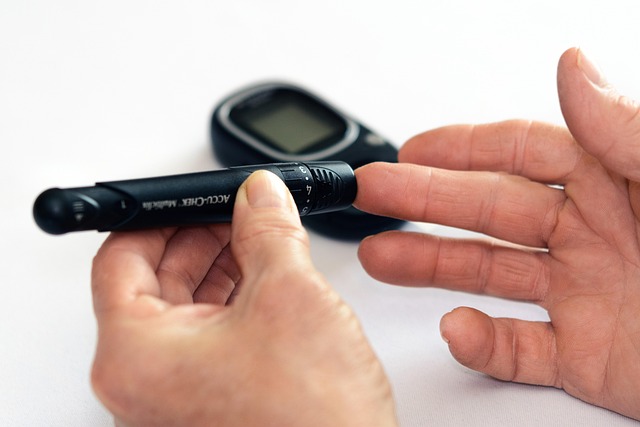
Many individuals may not realise they have a Vitamin B12 deficiency until it has progressed, so being aware of common symptoms is key. Some early signs include fatigue, weakness, and lightheadedness, which can often be mistaken for other conditions. As the deficiency worsens, you might experience cognitive issues such as memory problems, brain fog, or even mood changes.
One significant indicator is anaemia, which can lead to shortness of breath, pale skin, and a rapid heartbeat. Other physical signs include tingling or numbness in the hands and feet, muscle weakness, and balance issues. Since Vitamin B12 plays a vital role in maintaining healthy nerves and blood cells, deficiency can cause visible symptoms. A simple Cholesterol Blood Test UK might not pick up on these specific issues; thus, being vigilant about any unusual changes in your body is essential for prompt diagnosis and treatment.
Interpreting Blood Test Results for B12 Levels

Interpreting blood test results for B12 levels is a crucial step in diagnosing deficiency. In the UK, a cholesterol blood test often includes measurements of B12, alongside other vital nutrients and markers. A normal B12 level typically ranges from 140 to 700 picograms per millilitre (pg/mL). Values below this range may indicate deficiency. It’s important to remember that these ranges can vary slightly between labs and countries.
Your healthcare provider will interpret your results in the context of your overall health and symptoms. If B12 levels are low, further investigation might be needed to determine the cause. This could include assessing diet, identifying potential nutrient malabsorption issues, or checking for conditions that affect B12 production or absorption.
Vitamin B12 deficiency can often go unnoticed, but recognizing its subtle symptoms and understanding blood test results are key to prompt treatment. Regular cholesterol blood tests in the UK provide an excellent opportunity to identify this hidden nutrient gap. By being aware of potential indicators and seeking professional advice, individuals can ensure optimal health and well-being. Early detection through simple blood analysis allows for effective management and a return to overall balance.