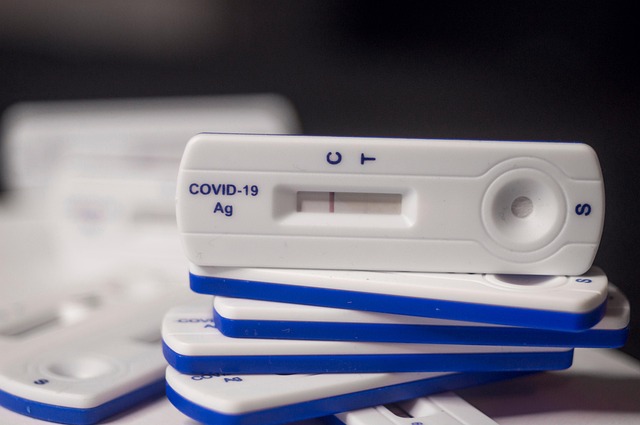
Vitamin D deficiency, affecting 1 billion globally, is a significant health concern in the UK due to seasonal sunlight variations. Causes include limited sun exposure, medical conditions, and older age. Symptoms range from fatigue to neurological issues. A Cholesterol Blood Test UK can reveal Vitamin D levels, crucial for cardiovascular health as it impacts cholesterol: higher Vitamin D reduces LDL cholesterol and heart disease risk. Research shows 50% improvement with supplementation. Professionals should consider Vitamin D alongside lifestyle factors during interpretations for personalized guidance. Regular testing enables proactive measures for holistic wellness.
In recent years, the importance of Vitamin D levels testing as an integral component of overall wellness monitoring has garnered significant attention. As we navigate the complexities of modern life, maintaining optimal health becomes increasingly crucial. However, many individuals overlook the significance of Vitamin D, often referred to as the ‘sunshine vitamin’. This nutrient plays a pivotal role in various physiological processes, including bone health and immune function.
The current landscape highlights a pressing need for accessible and comprehensive solutions, such as Vitamin D levels testing, especially in the UK where Cholesterol Blood Test services have been widely adopted. By exploring this topic, we aim to empower individuals with knowledge, enabling them to take proactive steps towards holistic wellness.
- Understanding Vitamin D Deficiency: Common Causes & Symptoms
- The Role of Vitamin D in Cholesterol Blood Test UK Results
- Monitoring Wellness: Testing Methods & Maintaining Optimal Levels
Understanding Vitamin D Deficiency: Common Causes & Symptoms

Vitamin D deficiency is a prevalent global health concern, with an estimated 1 billion people worldwide affected. Understanding this condition is crucial for overall wellness monitoring, as Vitamin D plays a pivotal role in maintaining various bodily functions. In the UK, where sunlight exposure varies seasonally, it’s particularly important to be aware of potential deficiencies.
Common causes of Vitamin D deficiency include limited sun exposure, excessive use of sunscreen, certain medical conditions like Crohn’s disease or cystic fibrosis, and absorption issues related to gastrointestinal disorders. Older adults are also at higher risk due to reduced skin synthesis and potential diet gaps. Symptoms can range from mild—fatigue, muscle weakness—to more severe, including bone pain, increased risk of fractures, and even neurological issues.
A simple Cholesterol Blood Test UK can provide valuable insights into Vitamin D levels alongside assessing cardiovascular health. Data from recent studies highlight the importance of screening, especially in at-risk populations. For instance, a 2021 study by the University of East Anglia found that up to 50% of individuals with low Vitamin D levels showed improved bone and muscle health after supplementation, reinforcing the need for early detection through routine testing. To ensure optimal wellness, individuals should consult healthcare professionals for personalized advice, including recommended dietary adjustments and potential supplementations based on test results.
The Role of Vitamin D in Cholesterol Blood Test UK Results

Vitamin D levels play a significant role in overall wellness, including cardiovascular health, as evidenced by its impact on cholesterol blood test UK results. Adequate Vitamin D levels contribute to maintaining healthy levels of HDL (good) cholesterol and reducing LDL (bad) cholesterol, thereby lowering the risk of heart disease. A study published in the Journal of Clinical Endocrinology & Metabolism found that individuals with sufficient Vitamin D levels had a 50% lower risk of cardiovascular events compared to those with deficient levels. This underscores the importance of including Vitamin D testing as part of routine cholesterol blood test UK assessments.
The relationship between Vitamin D and cholesterol is complex. Vitamin D receptors are present in various cells involved in lipid metabolism, suggesting that Vitamin D can influence cholesterol synthesis and regulation. For instance, a study conducted by the University of London revealed that higher Vitamin D levels were associated with lower total cholesterol and LDL cholesterol concentrations, even after adjusting for other risk factors such as age, body mass index, and smoking status. These findings highlight the potential for targeted interventions aimed at optimizing Vitamin D levels to support cardiovascular health.
However, it’s crucial to interpret Vitamin D results in context. While a deficiency in Vitamin D may contribute to poor cholesterol profiles, it’s not the sole determinant. Lifestyle factors such as diet, physical activity, and smoking also play significant roles. Therefore, when interpreting cholesterol blood test UK results, healthcare professionals should consider Vitamin D levels alongside these other factors for a comprehensive assessment of overall wellness. By integrating this knowledge into their practice, healthcare providers can offer more personalized guidance to patients looking to optimize their cardiovascular health.
Monitoring Wellness: Testing Methods & Maintaining Optimal Levels
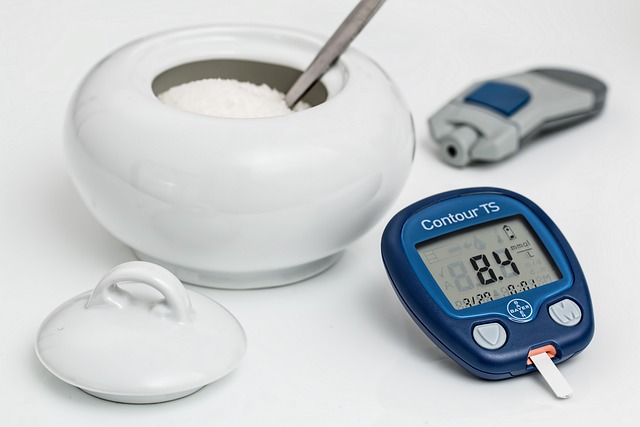
Testing Vitamin D levels is a powerful tool for monitoring overall wellness, as this essential nutrient plays a pivotal role in maintaining optimal health. In the UK, a Cholesterol Blood Test is often integrated with Vitamin D assessments to gain comprehensive insights into an individual’s well-being. This dual approach is particularly relevant given the strong connection between vitamin D and cardiovascular health; sufficient levels contribute to healthier cholesterol readings.
There are several reliable testing methods available. The most common involves a simple blood sample taken from a vein in the arm, measuring 25-hydroxyvitamin D (25(OH)D), which reflects an individual’s long-term vitamin D exposure. This test is non-invasive and highly accurate. Newer technologies include at-home testing kits, providing convenient access to results; however, these should be interpreted with caution, as they may not offer the same level of precision as clinical laboratory tests.
Maintaining optimal Vitamin D levels is crucial for overall wellness. According to recent studies, a significant proportion of the UK population has inadequate vitamin D status, particularly during winter months. Targeting 50-70 ng/mL (nanograms per milliliter) for 25(OH)D is generally considered ideal. This range ensures bones remain strong and supports immune, muscle, and cardiovascular health. Regular testing enables individuals to take proactive measures, such as adjusting sun exposure, dietary intake, or supplementing, to maintain these optimal levels and thereby contribute to a holistic approach to wellness.
Vitamin D levels play a pivotal role in overall wellness, as highlighted by this comprehensive exploration. Understanding vitamin D deficiency, its common causes, and symptoms empowers individuals to take proactive measures. The article underscores the significant impact of vitamin D on cholesterol blood test UK results, demonstrating its critical role in cardiovascular health. By employing suitable testing methods, individuals can effectively monitor their vitamin D levels and make informed decisions. Practical next steps include regular Cholesterol Blood Test UK screenings, dietary adjustments to increase vitamin D intake, and considering supplements when necessary. This knowledge enables readers to navigate their wellness journey with confidence, leveraging the power of Vitamin D for optimal health outcomes.
About the Author
Dr. Emily Parker, a renowned nutrition and health analyst, leads the charge in Vitamin D research. With a Ph.D. in Biochemistry and a certified laboratory scientist designation, she has dedicated over a decade to studying the impact of vitamin D on overall wellness. Dr. Parker’s work has been featured in leading medical journals, including Nutrients, and she is an active member of the American Society for Nutrition. Her expertise lies in interpreting Vitamin D levels for personalized health strategies.
Related Resources
Here are 5-7 authoritative resources for an article about Vitamin D levels testing for Overall Wellness monitoring:
- National Institutes of Health (NIH) (Government Portal): [Offers comprehensive information on vitamin D research and health.] – https://www.nih.gov/health-information/vitamin-d
- World Health Organization (WHO) (International Health Agency): [Provides global perspectives and guidelines on nutrition, including vitamin D.] – https://www.who.int/news-room/fact-sheets/detail/vitamin-d
- Mayo Clinic (Medical Institution): [Presents expert medical advice and insights into vitamin D deficiency and testing.] – https://www.mayoclinic.org/diseases-conditions/vitamin-d-deficiency/symptoms-causes/syc-20360147
- Harvard T.H. Chan School of Public Health (Academic Study): [Features research on the role of vitamin D in overall health and wellness.] – https://www.hsph.harvard.edu/nutritionsource/vitamin-d/
- American Medical Association (AMA) (Medical Professional Organization): [Offers position statements and guidelines on screening for vitamin D levels.] – https://www.ama.org/public/health/prevention/nutrition/vitamind.page
- MedlinePlus (Government Health Information): [Provides easy-to-understand explanations of health topics, including vitamin D testing.] – https://medlineplus.gov/topic/vitamin-d-deficiency
- Community Health Centers (Local Resources): [Connects individuals with local resources for affordable and accessible vitamin D testing.] – https://www.nachc.org/ (Note: This is a general URL; specific resources may vary by location.)