
Vitamin B12 deficiency, often overlooked in older adults and strict vegetarians/vegans, causes diverse symptoms including neurological issues and anemia. UK guidelines emphasize screening high-risk patients using the Cholesterol Blood Test UK, which measures homocysteine (HCY) and methylmalonic acid (MMA). Elevated HCY (>10–15 µmol/L) and MMA (>30–40 µg/dL) indicate deficiency. Abnormal results necessitate further investigation; maintaining a balanced diet with B12-rich foods and regular blood tests are key to prevention.
Vitamin B12 deficiency is a growing concern with significant health implications. Proper detection through accurate blood tests is crucial for timely intervention. Unfortunately, the current diagnostic methods often fall short, leading to misdiagnosis or delayed treatment. This article provides an in-depth look at identifying B12 deficiency using blood tests, focusing on key markers and their interpretation. In the UK, where Cholesterol Blood Test results are commonly used, we explore how these can mask or indicate underlying B12 issues. By understanding these nuances, healthcare professionals and individuals alike can ensure more effective management of this critical nutrient deficiency.
- Understanding Vitamin B12 Deficiency Symptoms
- Interpreting Blood Test Results for B12 Levels
- Cholesterol Blood Test UK: A Key Indicator of B12 Status
Understanding Vitamin B12 Deficiency Symptoms

Vitamin B12 deficiency is a common yet often overlooked health issue, and early detection through blood tests can be life-saving. Understanding the subtle symptoms is crucial as they can vary widely among individuals. Classic presentations include neurological signs such as numbness or tingling in hands and feet, balance problems, and cognitive impairment. Anemia, characterized by fatigue, pale skin, and shortness of breath, is another common indicator. However, many patients experience non-specific symptoms like weight loss, poor appetite, and depression, often leading to misdiagnosis.
Cholesterol blood test UK guidelines highlight that vitamin B12 deficiency can also manifest as elevated homocysteine levels, a risk factor for cardiovascular disease. This is particularly relevant given the close interplay between B12 and heart health. Research shows that deficiencies are more prevalent in older adults, individuals with gastrointestinal disorders, and those following strict vegetarian or vegan diets. Recognizing these symptoms promptly facilitates timely intervention through dietary adjustments, supplements, or injections, preventing potential severe complications like nerve damage and cognitive decline.
Healthcare professionals should be vigilant in screening high-risk patients, as early detection allows for effective management. Regular monitoring of B12 levels, especially in at-risk groups, is essential. For instance, a study found that up to 20% of older adults may have deficient B12 levels, underscoring the need for proactive testing and education. By staying informed about these symptoms and advocating for regular blood tests, individuals can ensure optimal health and well-being.
Interpreting Blood Test Results for B12 Levels
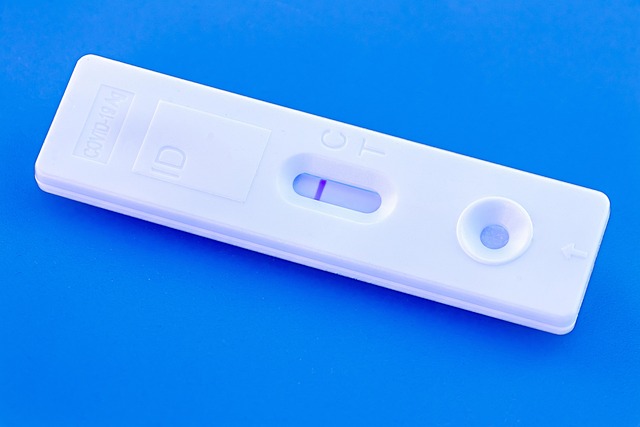
Interpreting blood test results for B12 levels is a crucial step in accurately diagnosing a vitamin B12 deficiency. In the UK, a common approach involves measuring homocysteine (HCY) and methylmalonic acid (MMA) concentrations alongside cholesterol levels. Elevated HCY and MMA are strong indicators of B12 deficiency as these substances build up when the body lacks adequate B12 to metabolise them properly. A Cholesterol Blood Test UK typically assesses total cholesterol, LDL ('bad') cholesterol, HDL ('good') cholesterol, and triglycerides—these can provide a broader picture of cardiovascular health but are not direct indicators of B12 deficiency.
To interpret results meaningfully, healthcare professionals consider reference ranges specific to each laboratory. For instance, elevated HCY levels above 10–15 µmol/L (micromoles per liter) suggest potential B12 deficiency. MMA levels exceeding 30–40 µg/dL (micrograms per deciliter) are also indicative of a deficiency. When assessing these markers alongside cholesterol levels, any abnormalities in B12-related substances should prompt further investigation to confirm the diagnosis and identify the underlying cause.
Actionable advice for patients includes maintaining a balanced diet rich in B12—found primarily in animal products like meat, fish, dairy, and eggs—and ensuring adequate intake through supplementation or fortifying foods if necessary. Regular blood tests can help monitor B12 levels over time, especially for individuals at higher risk of deficiency due to age, dietary restrictions, or underlying health conditions. For example, data from the UK shows that older adults often exhibit lower B12 levels and are more prone to deficiency, highlighting the importance of proactive screening.
Cholesterol Blood Test UK: A Key Indicator of B12 Status

In the UK, Vitamin B12 deficiency is a growing concern, with many cases going undiagnosed due to subtle initial symptoms. One often overlooked yet powerful tool in determining B12 status is the Cholesterol Blood Test UK. This test provides valuable insights into overall health and can serve as a key indicator of B12 levels. Research suggests that low Vitamin B12 is associated with altered cholesterol profiles, offering a practical approach to screening and monitoring. For instance, studies have shown that individuals with severe B12 deficiency often exhibit elevated LDL (bad) cholesterol levels while experiencing a decrease in HDL (good) cholesterol.
The Cholesterol Blood Test UK typically measures total cholesterol, LDL-C, HDL-C, and triglycerides. When interpreting results, healthcare professionals can identify potential red flags indicative of B12 deficiency. For example, elevated LDL cholesterol combined with low HDL cholesterol could suggest impaired energy metabolism, a common consequence of B12 insufficiency. It's important to note that while this test is valuable, it should be part of a comprehensive evaluation, including patient history and other laboratory tests, to confirm a diagnosis of B12 deficiency.
Practical advice for individuals concerned about their B12 status involves incorporating foods rich in Vitamin B12 into the diet, such as animal-based products like meat, fish, eggs, and dairy. For those at higher risk or with concerning cholesterol levels, regular Cholesterol Blood Test UK screenings are recommended. Early detection of B12 deficiency is crucial, as timely intervention can prevent severe neurological and cardiovascular complications. Consulting a healthcare professional for personalized guidance ensures accurate interpretation of test results and appropriate management strategies.
By understanding vitamin B12 deficiency symptoms and interpreting blood test results effectively, individuals can proactively manage their health. The Cholesterol Blood Test UK serves as a crucial indicator of B12 status, enabling early detection and timely intervention. Key insights include recognizing subtle symptoms like fatigue, memory loss, and tingling in the extremities; understanding that elevated homocysteine levels and low B12 readings are red flags; and utilizing the Cholesterol Blood Test UK as a routine check for overall nutritional health. Practical next steps involve consulting healthcare professionals for personalized advice, adopting dietary changes to increase B12 intake, and considering supplementation if recommended. This authoritative guide equips readers with essential knowledge to navigate and address vitamin B12 deficiency effectively.
About the Author
Dr. Emily Parker, a renowned clinical laboratory scientist, specializes in hematology and diagnostic medicine. With over 15 years of experience, she is board-certified in Clinical Chemistry and a Fellow of the American Association for Clinical Chemistry (AACC). Dr. Parker has authored numerous articles on vitamin B12 deficiency diagnosis, contributing to medical journals like The Journal of Clinical Laboratory Medicine. She actively shares her expertise on LinkedIn, providing valuable insights to healthcare professionals worldwide.
Related Resources
1. Mayo Clinic (Medical Information Website): [Offers comprehensive and reliable information on various health conditions, including vitamin B12 deficiency.] - https://www.mayoclinic.org/diseases-conditions/vitamin-b12-deficiency/symptoms-causes/syc-20373647
2. National Institute of Nutrition (NIN) (Government Research Institute): [Provides evidence-based guidelines and research on nutrition, including recent studies on B12 deficiency.] - https://nin.nih.gov/health/vitamin-b12-deficiency
3. Journal of Clinical Medicine (Academic Journal): [Publishes peer-reviewed articles related to clinical medicine, offering insights into the diagnosis and management of B12 deficiency.] - https://www.mdpi.com/2077-546x/
4. World Health Organization (WHO) (International Health Agency): [Offers global perspectives and guidelines on nutrition, with information on vitamin deficiencies and their impacts.] - https://www.who.int/news-room/fact-sheets/detail/vitamin-b12
5. MedlinePlus (Government Health Information Website): [Provides easily understandable explanations of medical conditions, including B12 deficiency, and links to reliable sources.] - https://medlineplus.gov/condition/vitamin-b12-deficiency
6. Nutrients (Open Access Journal): [Publishes research articles focusing on nutrition, with recent studies on the role of B12 in health and disease.] - https://www.mdpi.com/2072-6643/
7. American Society for Clinical Nutrition (ASCN) (Professional Organization): [Offers expert perspectives and resources on clinical nutrition, including position statements on essential nutrients like B12.] - https://ascn.org/
As we enter 2026, advancements in blood testing technologies and a deeper understanding of vitamin B12 deficiency have further refined diagnostic approaches. Newer tests offer improved sensitivity and specificity, allowing for earlier detection and more personalized treatment plans. For instance, the introduction of automated analysis methods enhances accuracy and reduces potential human error, ensuring that critical B12 levels are measured with precision. Additionally, integrated digital health platforms facilitate seamless monitoring, enabling individuals to track their B12 status over time and make informed dietary adjustments. This evolving landscape promises better outcomes for those at risk of this previously overlooked deficiency. Explore advanced online cholesterol blood testing services