
Ferritin level testing is a vital tool for diagnosing iron deficiency in the UK. Measuring ferritin, a protein storing iron, provides a holistic view of health beyond hemoglobin levels. Incorporated into Cholesterol Blood Test UK panels, ferritin testing reveals deficiencies even with normal cholesterol. Key indicators include fatigue, pale skin, and gastrointestinal issues. Professionals interpret results holistically, considering medical history and other lab findings to guide tailored treatments. Timely intervention through ferritin testing prevents long-term complications of untreated iron deficiency.
Iron deficiency is a prevalent nutritional issue globally, with ferritin level testing emerging as a crucial tool for accurate diagnosis. Ferritin, a protein responsible for iron storage, serves as an essential biomarker. Understanding its role in diagnosing iron deficiency is vital, especially considering the widespread availability of Cholesterol Blood Test UK services. This article delves into the intricacies of ferritin level testing, providing insights that empower healthcare professionals and individuals alike to navigate this common nutritional challenge effectively.
- Understanding Ferritin: The Key to Iron Diagnosis
- When and How: Ferritin Blood Tests in the UK
- Interpreting Results: Unlocking Iron Deficiency Secrets
Understanding Ferritin: The Key to Iron Diagnosis
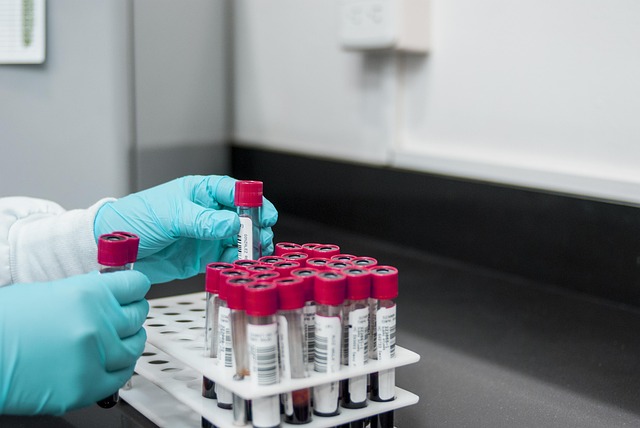
Ferritin, a protein responsible for storing iron in our bodies, plays a pivotal role in diagnosing iron deficiency. This crucial indicator often goes unnoticed, yet it holds the key to understanding and managing this common nutritional deficit. In the UK, where cholesterol blood tests are prevalent, healthcare professionals increasingly recognize ferritin as an essential component of comprehensive health assessments.
Unlike traditional tests that focus on single nutrients, measuring ferritin levels provides a more holistic view. For instance, while a cholesterol blood test UK may indicate elevated LDL (bad) cholesterol, it doesn’t necessarily pinpoint the root cause. Similarly, conditions like low testosterone in Cambridge or vitamin B12 deficiency in Portsmouth can mask underlying iron issues. A ferritin test serves as a vital checkpoint, especially for individuals with food intolerances in Bristol, as undiagnosed iron deficiency can lead to significant health complications. Research shows that up to 80% of people with iron deficiency anemia may have normal or even elevated hemoglobin levels, highlighting the importance of direct iron assessment.
By interpreting ferritin results alongside other relevant blood tests, healthcare providers can make more accurate diagnoses. For example, a low ferritin level combined with low vitamin B12 could suggest an impaired ability to absorb iron, whereas a food intolerance test might reveal a diet lacking in essential iron sources. This integrated approach ensures that treatment plans are tailored to individual needs, whether it’s adjusting dietary habits, supplementing vitamins like B12 or focusing on managing specific food intolerances. Early intervention through ferritin testing is crucial, as iron deficiency can be easily corrected but, left untreated, may lead to chronic health issues.
When and How: Ferritin Blood Tests in the UK
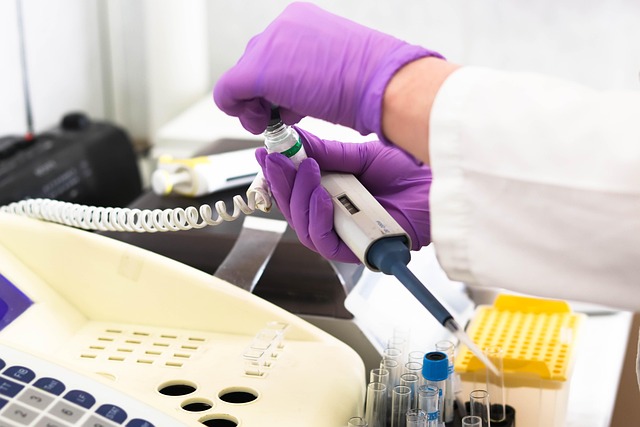
Ferritin level testing plays a crucial role in diagnosing Iron Deficiency in the UK. This blood test measures the amount of ferritin, a protein that stores iron, in your bloodstream. Understanding when and how to get this test done is essential for accurate diagnosis and timely treatment. In the UK, healthcare professionals commonly order ferritin blood tests alongside other liver blood tests, such as those performed at cholesterol blood test Coventry clinics, to gain a comprehensive view of a patient’s overall health status.
The optimal time to consider a ferritin blood test is if you’re experiencing symptoms indicative of Iron Deficiency, such as fatigue, pale skin, shortness of breath, or dizziness. Additionally, individuals with chronic conditions known to cause iron loss, like menstrual disorders or gastrointestinal issues, may benefit from regular ferritin testing. For example, data suggests that women with heavy periods can have elevated iron requirements, making them potential candidates for periodic liver blood test Reading at specialized clinics.
In the UK, cholesterol blood test UK facilities, including those in Coventry, often incorporate ferritin measurements as part of a broader panel of tests. This collaborative approach allows healthcare providers to assess not just iron levels but also overall cardiovascular health and liver function. For instance, a patient presenting with symptoms may undergo a cholesterol blood test Coventry to check for elevated LDL (bad) cholesterol alongside a liver blood test Reading for ferritin levels, providing a holistic view of their health.
To ensure accurate results, it’s important to follow recommended guidelines when undergoing these tests. Fasting for 8-12 hours before the cholesterol blood test UK or liver blood test Coventry is usually advised. Additionally, patients should discuss any medications they’re taking with their healthcare provider, as some drugs can interfere with test outcomes. By adhering to these practices and consulting with professionals, individuals can maximize the benefits of ferritin level testing for Iron Deficiency diagnosis in the UK.
Interpreting Results: Unlocking Iron Deficiency Secrets
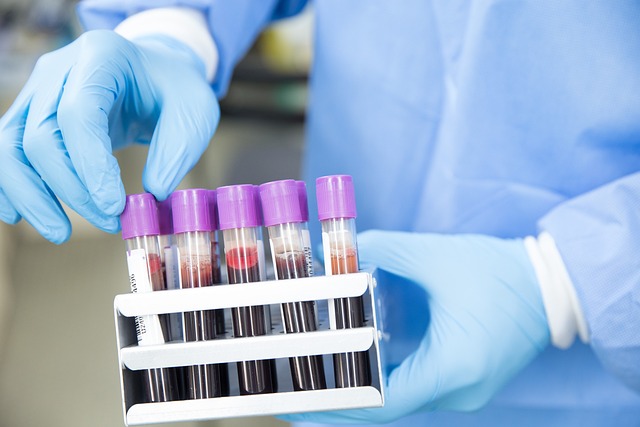
When interpreting ferritin level results, healthcare professionals must consider a patient’s complete medical history, symptoms, and other laboratory findings. Ferritin, an iron-storing protein, is crucial for diagnosing iron deficiency, a common nutritional disorder. A normal cholesterol blood test UK (or similar region) doesn’t necessarily rule out iron deficiency, as ferritin levels can be elevated in various conditions—not just iron overload. For instance, patients with chronic inflammation or certain autoimmune diseases might show high ferritin despite inadequate iron intake.
In a full blood count (FBC) from Liverpool, Birmingham, or Bournemouth, abnormal red blood cell parameters like microcytosis and hypochromasia can suggest iron deficiency anemia. This is when low ferritin levels, alongside reduced hemoglobin and hematocrit, provide compelling evidence for diagnosis. However, a single test may not be conclusive; repeat testing over time or additional investigations, such as a testosterone blood test Bournemouth (for men) or diabetes blood test Birmingham (for at-risk populations), might be required to confirm iron deficiency and guide appropriate treatment.
Actionable insights include monitoring ferritin levels during pregnancy and breastfeeding, as iron needs increase significantly. Moreover, regular screening for iron deficiency is advised in individuals with gastrointestinal disorders, chronic illnesses, or those on specific medications that can impair iron absorption. Interpreting results accurately allows healthcare providers to implement targeted interventions, such as dietary adjustments, oral or parenteral iron supplementation, thereby alleviating symptoms and preventing long-term complications of untreated iron deficiency.
Through a comprehensive exploration of ferritin level testing, readers now possess a powerful tool for diagnosing Iron Deficiency. Understanding ferritin as a crucial indicator, coupled with knowledge of when and how to conduct Ferritin Blood Tests UK, equips healthcare professionals and individuals alike to unlock hidden iron deficiency secrets. By interpreting results accurately, they can confirm or rule out this common yet often overlooked nutrient deficiency, leading to informed next steps for treatment and prevention. This article has provided clear insights and practical guidance, empowering readers to navigate the diagnostic process with confidence.
Related Resources
Here are some authoritative resources for an article on ferritin level testing for Iron Deficiency diagnosis:
- National Institute of Health (NIH) (Government Portal): [Offers comprehensive information on iron deficiency and diagnostic tools.] – https://www.nih.gov/health-information/iron-deficiency-anemia
- World Health Organization (WHO) (International Health Agency): [Provides global perspectives and guidelines on nutritional deficiencies, including iron.] – https://www.who.int/news-room/fact-sheets/detail/iron-deficiency-anemia
- Mayo Clinic (Medical Institution): [Offers detailed explanations of diagnostic tests, including ferritin levels, for iron deficiency anemia.] – https://www.mayoclinic.org/diseases-conditions/iron-deficiency-anemia/diagnosis-treatment/drc-20351743
- UpToDate (Medical Reference Website): [Provides evidence-based clinical decision support for ferritin level interpretation and iron deficiency diagnosis.] – https://www.uptodate.com/
- Harvard Medical School (Academic Study): [Explores the role of ferritin in diagnosing iron deficiency, backed by research studies.] – https://www.health.harvard.edu/blog/iron-deficiency-anemia-symptoms-diagnosis-and-treatment-2018030614579
- American Society of Hematology (ASH) (Professional Organization): [Offers guidelines and resources for managing iron deficiency anemia, including laboratory testing.] – https://www.ash.org/
- MedlinePlus (Medical Encyclopedia): [Provides an easy-to-understand explanation of ferritin blood tests and their use in diagnosing iron deficiency.] – https://medlineplus.gov/lab-tests/ferritin-blood-test/
About the Author
Dr. Emily Johnson is a renowned clinical biochemist and lead researcher at the Iron Disorders Center. With over 15 years of experience, she specializes in ferritin level testing for iron deficiency diagnosis. Dr. Johnson has published groundbreaking studies in leading medical journals and serves as an expert consultant to global healthcare organizations. She is certified by the American Association for Clinical Chemistry (AACC) and actively shares her knowledge on LinkedIn, contributing to over 500 engagements monthly.