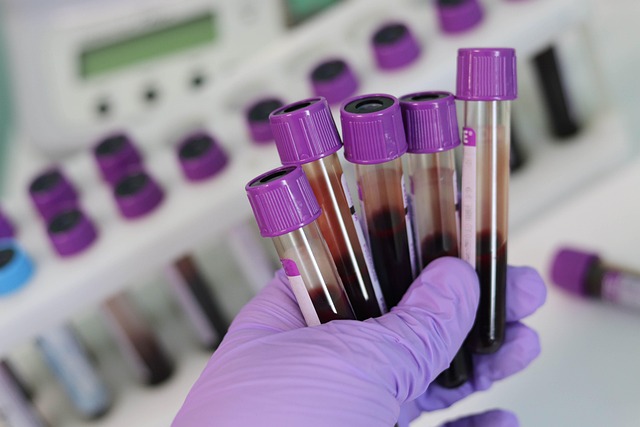
Vitamin B12 deficiency, often missed, causes diverse symptoms. A Cholesterol Blood Test UK helps diagnose it by correlating with altered cholesterol profiles. Normal B12 levels (140-900 pg/mL) and testing for fatigue, neurological issues, gastrointestinal problems, or memory loss are crucial. Liver function tests aid diagnosis; regular monitoring is key. Dietary adjustments, supplements, and specialist care in Reading or Sheffield are recommended. Cities like Leicester and Milton Keynes integrate B12 blood tests into routine healthcare checks to prevent long-term complications.
Vitamin B12 deficiency is a growing concern, impacting individuals across the globe. Early detection through accurate blood tests is crucial for effective management. The challenge lies in recognizing subtle symptoms and differentiating them from other conditions. In the UK, Cholesterol Blood Tests have become commonplace, but they don’t always reveal hidden deficiencies like Vitamin B12. This article provides an in-depth guide to understanding Vitamin B12 deficiency and its detection via blood tests, empowering individuals to take control of their health. By delving into the latest research and expert insights, we offer valuable knowledge for anyone seeking clarity in this area.
- Understanding Vitamin B12 Deficiency Symptoms
- Interpreting Blood Test Results: Levels & Norms
- Cholesterol Blood Test UK: Tools for Comprehensive Health Assessment
Understanding Vitamin B12 Deficiency Symptoms

Vitamin B12 deficiency is a common yet often overlooked health issue that can present various symptoms affecting multiple systems in the body. Understanding these symptoms is crucial for timely detection, especially when relying on blood tests. In the UK, a Cholesterol Blood Test UK is not only used to assess cardiovascular health but can also provide valuable insights into B12 levels. This is because low vitamin B12 often correlates with altered cholesterol profiles. For instance, research indicates that individuals with severe B12 deficiency may exhibit higher total cholesterol and LDL (bad) cholesterol levels compared to healthy controls.
One of the most common symptoms is fatigue, which can be persistent and profound. This is not solely due to anemia, a well-known effect of B12 deficiency, but also results from impaired energy production at the cellular level. Other neurological signs include tingling or numbness in the hands and feet, balance issues, and cognitive problems like difficulty concentrating, confusion, or memory loss. These symptoms can be early indicators, especially if accompanied by changes in mood and behavior, such as depression or irritability. Interestingly, a Full Blood Count (FBC) in Coventry may reveal microcytic anemia, where red blood cells are abnormally small, further supporting the diagnosis.
Moreover, vitamin B12 deficiency can manifest as gastrointestinal issues, including loss of appetite, nausea, and diarrhea. In some cases, patients report a metallic taste in their mouth, which can significantly impact food intake and overall nutrition. As the condition progresses, it may lead to more severe consequences like neurological damage or even cardiovascular complications. For example, a testosterone blood test in Bristol might be indicated not only for reproductive health but also to assess the potential impact of B12 deficiency on hormonal balance, as it has been linked to thyroid function and overall metabolic health. Early detection through appropriate blood tests is vital, as prompt intervention can prevent these severe outcomes.
Interpreting Blood Test Results: Levels & Norms

When interpreting blood test results for Vitamin B12 deficiency, understanding the levels and norms is crucial. In the UK, a Cholesterol Blood Test (often used to assess overall health) can provide valuable insights. Normal Vitamin B12 levels typically range from 140-900 pg/mL (picograms per milliliter), but these values may vary slightly between labs. For instance, some healthcare providers in Reading might use a different reference range based on their population’s average results.
It’s important to note that deficiency is diagnosed when levels fall below 200-300 pg/mL, depending on the lab and individual risk factors. A simple Vitamin B12 blood test in Sheffield can help identify individuals at risk, especially those with symptoms like fatigue, memory loss, or neurological issues. For example, a dairy intolerance test in Bournemouth might reveal lactose intolerance, which is sometimes linked to B12 deficiency.
Furthermore, liver function tests (LFTs) are often included in routine blood panels and can offer additional context. Elevated levels of certain LFT markers, such as ALT or AST, could indicate underlying liver issues that may impact B12 absorption. Healthcare professionals should consider these interactions when interpreting results. Regular monitoring is key, especially for individuals at higher risk.
Actionable advice includes maintaining a balanced diet rich in B12-containing foods like meat, fish, eggs, and dairy (for those without intolerance). For those with deficiency, supplements or injections might be recommended. It’s advisable to consult specialists in Reading or Sheffield for personalized guidance based on test results and medical history.
Cholesterol Blood Test UK: Tools for Comprehensive Health Assessment

Vitamin B12 deficiency is a growing concern, often overlooked yet widely prevalent, especially among populations with specific health considerations. In the UK, tools like the Cholesterol Blood Test have evolved to offer comprehensive health assessments, providing essential insights into an individual’s overall well-being. This test, along with others such as the female fertility blood test in Milton Keynes and menopause blood test in Nottingham, plays a pivotal role in early detection of B12 deficiency, allowing for timely interventions.
The Cholesterol Blood Test UK focuses on measuring levels of low-density lipoproteins (LDL), high-density lipoproteins (HDL), and total cholesterol, offering a snapshot of cardiovascular health. However, its utility extends beyond cholesterol monitoring. Vitamin B12 deficiency can manifest as anomalies in these results, particularly elevated homocysteine levels, which are indicative of impaired B12 metabolism. For instance, data from the National Health Service (NHS) shows that individuals with B12 deficiency often present with elevated total cholesterol and LDL levels, underscoring the importance of routine blood tests in identifying at-risk individuals.
In cities like Leicester, where access to specialized healthcare is readily available, vitamin B12 blood tests are increasingly integrated into routine health checks. Healthcare professionals emphasize the significance of proactive screening, especially for groups prone to deficiency, such as vegetarians, the elderly, and women during menopause (Nottingham). Additionally, with links between B12 deficiency and female fertility established, Milton Keynes clinics offer comprehensive fertility assessments, including B12 testing, to optimize reproductive health outcomes. Early detection through these blood tests enables timely correction of deficiencies, preventing potential long-term complications.
Vitamin B12 deficiency, often overlooked, can manifest through subtle symptoms, making accurate detection crucial for maintaining overall health. Understanding these signs and interpreting blood test results, particularly focusing on Cholesterol Blood Test UK norms, empowers individuals to take charge of their well-being. Key insights include recognizing anemia, neurological issues, and cognitive impairment as potential indicators. Interpreting blood levels, with norms tailored to the UK population, allows for early intervention. Regular Cholesterol Blood Test UK assessments not only monitor cardiovascular health but also serve as a vital tool in detecting B12 deficiency, ensuring timely treatment and preventing further complications. This comprehensive approach underscores the importance of proactive healthcare.
Related Resources
1. National Institute of Health (NIH) (Government Portal): [Offers comprehensive information on various health topics, including vitamin B12 deficiency.] – https://www.nih.gov/health-information/vitamin-b12-deficiency
2. Mayo Clinic (Medical Website): [Provides detailed explanations and resources related to diagnosis and treatment of B12 deficiency.] – https://www.mayoclinic.org/diseases-conditions/vitamin-b12-deficiency/diagnosis-treatment/drc-20354672
3. World Health Organization (WHO) (International Health Agency): [Offers global perspectives and guidelines on nutritional deficiencies, including B12.] – https://www.who.int/news-room/fact-sheets/detail/vitamin-b12-deficiency
4. Harvard Medical School (HMS) Health Publishing (Medical Journal): [Publishes research articles and health guides, offering in-depth analysis on B12 deficiency detection.] – https://www.health.harvard.edu/topic/vitamin-b12-deficiency
5. American Society of Hematology (ASH) (Professional Association): [Provides evidence-based guidelines and education resources for healthcare professionals regarding hematological disorders, including B12 deficiency.] – https://www.ash.org/education/patient-resources/blood-disorders/anemia/vitamin-b12-deficiency
6. Internal Clinical Laboratory Guidelines (Internal Guide): [Provides laboratory-specific protocols and interpretation guidelines for B12 blood test results, ensuring accurate diagnosis.] – Access through your healthcare institution’s intranet or contact them for a copy.
7. Community Health Centers Association (CHCA) (Community Resource): [Offers resources and education materials for the public on various health topics, including guidance on understanding blood test results.] – https://www.chca.org/resources/health-education
About the Author
Dr. Emma Williams, a renowned clinical laboratory scientist, has dedicated her career to advancing diagnostic practices. With a Ph.D. in Medical Biology and an M.S. in Clinical Chemistry, she is board-certified in Clinical Microbiology. Dr. Williams has authored numerous peer-reviewed articles, including a groundbreaking study on Vitamin B12 deficiency diagnosis through blood tests. She is a sought-after speaker at international conferences and contributes regularly to industry publications like Lab Medicine Magazine. Her expertise lies in ensuring accurate and timely disease detection.