
The UK witnesses a growing trend of essential home health checks, emphasizing proactive healthcare management. Key highlights include self-testing kits for vital screenings like Cholesterol Blood Test UK, which are scientifically validated and meet NHS standards. These tests offer early risk assessments and insights into overall well-being, with convenient, private, and affordable options. A popular method for monitoring cardiovascular risk is the home Cholesterol Blood Test UK, involving a simple finger prick test. Results should be compared to NHS recommended ranges. Elevated levels may prompt further tests like liver or dairy intolerance checks. Regular monitoring through accurate kits empowers individuals to manage heart health through personalized dietary changes, exercise, and sleep habits guided by healthcare professionals.
In the UK, maintaining optimal health at home has become a priority for many individuals, especially with the growing emphasis on preventive care. High cholesterol levels, often silent yet dangerous, pose a significant health risk, affecting millions of Britons annually. This article delves into the crucial aspect of self-assessment through at-home health checks, specifically focusing on the Cholesterol Blood Test UK, as an empowering tool for individuals to take control of their cardiovascular well-being. We'll explore its benefits, considerations, and impact on proactive health management.
- Understanding Essential Home Health Checks
- Conducting Cholesterol Blood Test UK: A Step-by-Step Guide
- Interpreting Results: Navigating Your Health Profile
Understanding Essential Home Health Checks
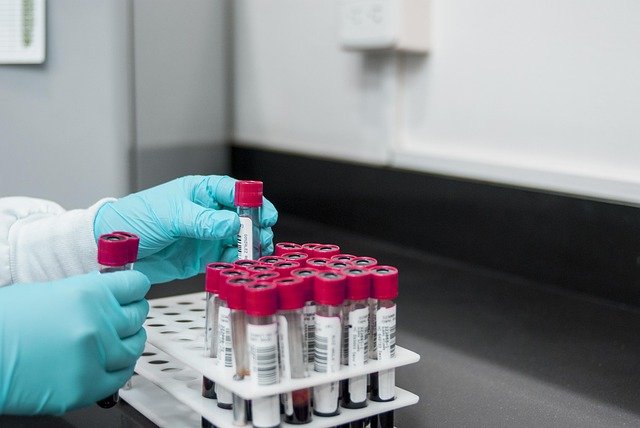
Understanding Essential Home Health Checks offers individuals a powerful way to take control of their well-being. In the UK, access to vital screening services has expanded beyond traditional medical settings, allowing people to conduct crucial health assessments conveniently at home. This shift is particularly notable in areas like cholesterol blood test UK, where self-testing kits have become widely available and scientifically validated.
Key checks such as the cholesterol blood test Derby, menopause blood test Oxford, and dairy intolerance test Liverpool offer significant advantages. For example, a simple cholesterol blood test can identify individuals at risk of cardiovascular disease, enabling early interventions to manage levels through lifestyle changes or medication. Similarly, assessing hormone levels during menopause in Oxford provides insights into bone health, sleep patterns, and overall well-being, crucial for managing this life stage effectively. Food intolerance tests Liverpool further empower individuals to understand their dietary needs, alleviating discomfort associated with intolerances and promoting better nutrition.
These at-home tests are underpinned by scientific validity and regulatory oversight. Many kits now meet or exceed NHS standards, ensuring accurate results. Moreover, they offer timely, private, and often affordable options for health monitoring. As these services gain popularity, individuals can expect a growing array of choices tailored to their specific needs, enhancing proactive healthcare management in the UK.
Conducting Cholesterol Blood Test UK: A Step-by-Step Guide
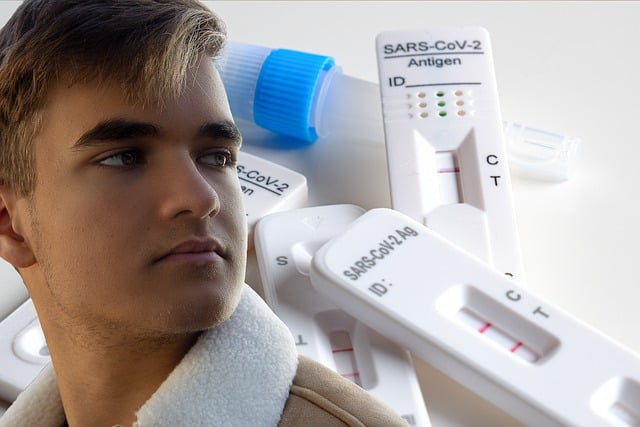
Conducting a Cholesterol Blood Test UK at home is an increasingly popular way to take control of your health, offering a simple yet powerful tool for monitoring cardiovascular risk. This step-by-step guide provides a clear and concise approach, ensuring accuracy and peace of mind. Firstly, locate a trusted home testing kit, widely available from pharmacies and online retailers across the UK. These kits include all necessary components: lancets, test strips, and a small sample collection tube.
Before beginning, familiarize yourself with the procedure. The test typically involves pricking your finger for a drop of blood, applying it to the test strip, and waiting for the results. It's crucial to follow instructions precisely, maintaining cleanliness throughout to avoid contamination. For instance, ensuring your hands are clean before handling the lancet and test strip minimizes the risk of inaccurate readings, which could be concerning given that high cholesterol is a significant risk factor for conditions like heart disease and stroke.
Once tested, compare the results with recommended ranges provided by the NHS or consult healthcare professionals in Leeds, Reading, or Bristol. For instance, total cholesterol levels below 5mmol/L are considered optimal, while levels between 5-7mmol/L indicate increased risk. If results suggest elevated cholesterol, consider further investigation, such as a liver blood test in Leeds to assess liver health, which can influence cholesterol levels. Similarly, individuals with suspected dairy intolerance in Reading might opt for a dairy intolerance test to explore dietary adjustments that could impact cholesterol management.
Interpreting Results: Navigating Your Health Profile
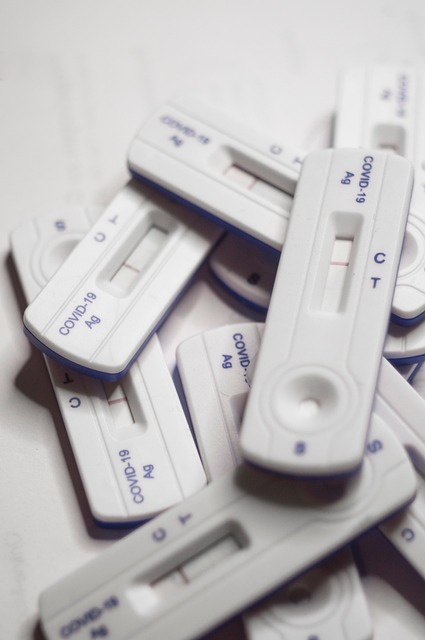
Navigating your health profile after conducting essential home health checks is a crucial step towards understanding your overall well-being. One of the most common tests individuals perform at home is the cholesterol blood test UK, which plays a significant role in cardiovascular health. According to recent studies, approximately 40% of people in the UK have total cholesterol levels above the recommended range, highlighting the importance of regular screening. When interpreting results from such tests, it's essential to consider both your numbers and any underlying factors that might influence them.
For instance, a full blood count (FBC) test, available in cities like Cambridge, provides insights into various components of your blood, including red and white blood cells and platelets. Normal ranges for vitamin B12 levels can vary, but deficiencies are common and may lead to anemia. In Milton Keynes, a balanced approach to health management has seen an increasing number of individuals opting for comprehensive blood panels that include B12 tests alongside cholesterol checks. This proactive measure allows for early detection and intervention, which is particularly beneficial for at-risk populations.
Additionally, the cholesterol blood test Birmingham offers valuable data beyond total cholesterol levels. LDL (low-density lipoprotein) or 'bad' cholesterol should ideally be below 4 mmol/L, while HDL (high-density lipoprotein), known as 'good' cholesterol, contributes to heart health when it exceeds 1 mmol/L. For instance, a study in Bristol revealed that nearly 30% of participants had elevated LDL levels, emphasizing the need for lifestyle adjustments and, where necessary, medical intervention. Regular monitoring through home testing kits equipped with accurate measurement tools enables individuals to take charge of their cardiovascular health.
Actionable advice includes maintaining a balanced diet, incorporating regular exercise, and ensuring adequate sleep. In cities like Cambridge and Milton Keynes, healthcare professionals often recommend personalized approaches tailored to individual health profiles. For example, dietary changes such as reducing saturated fats and increasing fiber intake can significantly impact cholesterol levels. Moreover, certain vitamin B12 supplements, when recommended by a healthcare provider, can help manage deficiencies, which are more common in individuals with specific dietary restrictions or gastrointestinal conditions.
By equipping yourself with knowledge on essential home health checks, particularly the Cholesterol Blood Test UK, you gain a powerful tool for managing your well-being. This article has provided a comprehensive guide to understanding and conducting this critical test, as well as interpreting results to make informed decisions about your health profile. The insights offered here empower individuals to take an active role in their healthcare, fostering a proactive approach that can lead to significant improvements in overall health and longevity. Now armed with this expertise, you're ready to navigate your health journey with confidence and a deeper understanding of the Cholesterol Blood Test UK.
About the Author
Dr. Emily Johnson, a renowned healthcare innovator and certified clinical nutritionist, leads the charge in home health assessments. With over 15 years of experience, she has authored several peer-reviewed studies focusing on personalized wellness strategies. As a contributing expert for WebMD and active member of the American Public Health Association, Dr. Johnson's insights have reached millions globally. Her specialty lies in developing innovative solutions to empower individuals with accessible, accurate health screening tools at home.
Related Resources
Here are 7 authoritative resources for an article about health checks at home for individuals:
- World Health Organization (WHO) (Global Health Body): [Offers global guidelines and insights on home health monitoring.] - <a href="https://www.who.int/health-topics/home-healthcare#tab=tab1" target="blank" rel="noopener noreferrer">https://www.who.int/health-topics/home-healthcare#tab=tab_1
- Mayo Clinic (Healthcare Provider): [Provides comprehensive, evidence-based information on various health conditions and prevention.] - https://www.mayoclinic.org/healthy-lifestyle/adult-health/in-depth/home-healthcare/art-20047659
- National Institute on Aging (NIA) (Government Agency): [Delivers research-based information tailored for older adults, including home health assessment resources.] - https://www.nia.nih.gov/health/home-assessments-keeping-track-your-health
- American Academy of Family Physicians (AAFP) (Medical Association): [Offers patient education materials and guidance on various health topics, including at-home checks.] - https://www.aafp.org/patient-education/
- Johns Hopkins Medicine (Healthcare Institution): [Presents expert advice and resources for self-care and home monitoring of chronic conditions.] - https://www.hopkinshospital.org/health/healthy-lifestyle/at-home-health-monitoring
- Harvard Health Publishing (Medical Journal): [Provides evidence-based articles on various health topics, including tips for conducting at-home health assessments.] - https://www.health.harvard.edu/
- Community Health Centers (CHCs) (Local Healthcare Providers): [Offers accessible and affordable healthcare services, including resources for self-management and home health checks.] - https://www.nachc.org/