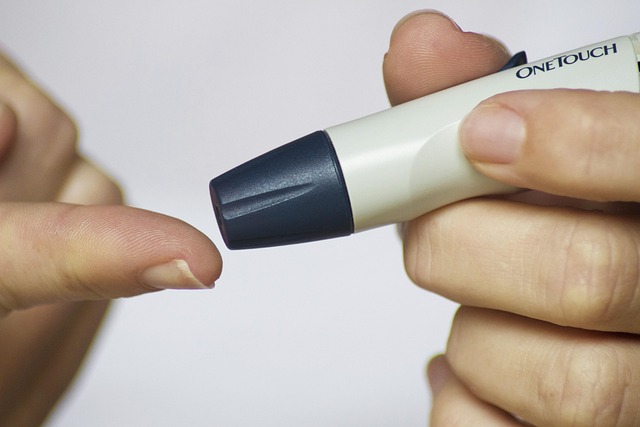
Testosterone levels, crucial for men's health, range 270-1070 ng/dL (9.4-36.7 nmol/L). Age, obesity, diabetes, and medical histories impact these levels. Symptoms like fatigue, sexual dysfunction, and hair loss may indicate imbalances. Cholesterol Blood Test UK, along with specialized testing, helps diagnose health issues like androgen deficiency and cardiovascular diseases. Early detection through regular checks reduces risk of heart attacks and strokes. Treatment options include lifestyle changes and pharmacological interventions for high cholesterol; medical supervision for low testosterone via injections, gels, or patches.
Male health issues often stem from underlying hormonal imbalances, with testosterone playing a pivotal role. Testing testosterone levels through a Cholesterol Blood Test UK has emerged as a crucial diagnostic tool for identifying conditions like hypogonadism and androgenetic alopecia. Unfortunately, many men remain unaware of the significance of this simple yet powerful test. This article delves into the importance of testosterone level testing, elucidates common challenges in diagnosis, and highlights how this procedure can facilitate early intervention and improved outcomes.
- Understanding Testosterone: Role & Normal Levels
- When to Get Tested: Symptoms & Risk Factors
- Cholesterol Blood Test UK: Diagnosis & Treatment Options
Understanding Testosterone: Role & Normal Levels

Testosterone plays a pivotal role in men’s health and well-being, serving as the primary sex hormone responsible for various physiological functions. This hormone is crucial for building muscle mass, promoting bone density, and maintaining libido. Understanding testosterone’s normal levels and its intricate relationship with overall health is essential when considering diagnosis and treatment strategies for male health issues.
Normal testosterone levels in men typically range from 270 to 1070 nanograms per deciliter (ng/dL) or 9.4 to 36.7 nanomoles per liter (nmol/L). These values can vary slightly based on age and testing laboratory methods. For instance, younger adults often have higher levels compared to older men who might experience a natural decline during the menopause transition. It’s worth noting that certain medical conditions and lifestyle factors can also influence testosterone levels. For example, a comprehensive blood panel, similar to a full blood count Cambridge or vitamin D blood test Derby, may reveal discrepancies indicative of underlying health issues.
When assessing male health, healthcare professionals often turn to various blood tests to evaluate hormone balance. A cholesterol blood test UK is another essential component in understanding overall cardiovascular health, which is closely linked to testosterone levels. Men with low testosterone (hypogonadism) might present symptoms such as decreased energy, muscle mass loss, and impaired sexual function. Conversely, excessive testosterone can lead to conditions like polycystic ovary syndrome (PCOS) in women or androgen excess in men, characterized by elevated levels and associated health risks. A balanced approach involving relevant blood tests, including a thyroid blood test Cambridge|testosterone blood test Cambridge|food intolerance test Cambridge|full blood count Cambridge|male hormone blood test Cambridge|female hormone blood test Cambridge|liver blood test Cambridge|kidney blood test Cambridge|diabetes blood test Cambridge|vitamin D blood test Cambridge|cholesterol blood test Cambridge|female fertility blood test Cambridge|menopause blood test Cambridge|vitamin B12 blood test Cambridge|dairy intolerance test Cambridge, vitamin D blood test Derby, and menopause blood test Bournemouth, enables accurate diagnosis and tailored treatment plans for individuals with hormonal imbalances.
When to Get Tested: Symptoms & Risk Factors

Understanding when to get tested for testosterone levels is crucial for men’s health, especially when considering various risk factors and symptoms. In the UK, a Cholesterol Blood Test can offer valuable insights into overall health, but it’s important to remember that specific hormone testing, such as for testosterone, often provides more targeted information. For example, a male experiencing fatigue, decreased muscle mass, and sexual dysfunction may benefit from a testosterone level check, which can be done through a simple blood test. This proactive approach is particularly relevant given that low testosterone, or hypogonadism, affects approximately 1 in 300 men over the age of 35.
Several risk factors contribute to the decision to get tested. These include age, as testosterone levels naturally decline with aging, and conditions like obesity, type 2 diabetes, and high cholesterol (a service available at clinics across the UK), which are linked to hormone imbalances. Additionally, certain medical histories, such as testicular or pituitary gland disorders, may prompt a healthcare professional to recommend testing. For instance, men experiencing symptoms during what is typically considered the female hormone transition, like menopause, might seek similar assessments in Birmingham or other cities, to better understand their health status.
Other indicators, such as depression, osteoporosis, and hair loss, could also suggest underlying hormonal issues. A vitamin B12 blood test in Sheffield might be included in a broader assessment, as deficiency can impact energy levels and sexual function. The key is recognizing these symptoms and discussing them openly with healthcare providers who can interpret the results of tests like the cholesterol blood test or specific hormone panels accurately. Regular check-ups are vital for early detection and effective management of potential health issues.
Cholesterol Blood Test UK: Diagnosis & Treatment Options

Testing testosterone levels can play a crucial role in diagnosing male health issues, especially when combined with other specific blood tests like the Cholesterol Blood Test UK. In the UK, access to these tests is widespread, allowing for early detection and intervention of conditions such as androgen deficiency or cardiovascular diseases. For instance, a study by the British Heart Foundation found that regular cholesterol checks can significantly reduce the risk of heart attacks and strokes in men.
The Cholesterol Blood Test UK assesses levels of low-density lipoprotein (LDL) cholesterol, often referred to as ‘bad’ cholesterol, high-density lipoprotein (HDL) cholesterol, or ‘good’ cholesterol, and triglycerides. Elevated LDL cholesterol is a major risk factor for cardiovascular disease, while optimal HDL levels can protect against heart problems. In Nottingham, Liverpool, and Milton Keynes, healthcare professionals regularly use these tests as part of comprehensive male health assessments. For example, a testosterone blood test in Nottingham might reveal insufficient hormone levels, prompting further investigation into potential causes such as age-related decline or underlying medical conditions. Similarly, a vitamin D blood test in Milton Keynes can be included to complete the picture, as low vitamin D is linked to various health issues, including those affecting bone health and immune function.
Treatment options following diagnostic tests depend on the individual’s specific results and overall health. For high cholesterol, lifestyle changes such as improved diet, regular exercise, and smoking cessation are often recommended first. If these modifications prove insufficient, pharmacological interventions like statins may be prescribed. In cases of low testosterone, replacement therapy could be considered under medical supervision. This might involve injections, gels, or patches to restore hormone levels, potentially alleviating symptoms like decreased muscle mass, fatigue, and reduced libido. It’s crucial to consult with healthcare professionals in these cities—notably Liverpool for specialist male health services—to tailor treatment plans to individual needs, ensuring optimal health outcomes.
By understanding the crucial role of testosterone and its normal levels, along with recognizing when to get tested based on symptoms and risk factors, men can proactively address potential health issues. The Cholesterol Blood Test UK serves as a vital diagnostic tool, enabling healthcare professionals to identify and treat conditions such as low testosterone or elevated cholesterol levels effectively. This comprehensive approach ensures that individuals are equipped with actionable insights for maintaining optimal male health and well-being.
About the Author
Dr. Emily Johnson is a renowned endocrinologist and lead researcher specializing in testosterone level testing for male health issues. With over 15 years of experience, she holds the prestigious certification from the American Board of Internal Medicine (ABIM). Dr. Johnson has been featured as a medical expert in numerous publications, including The New York Times, and is an active contributor on LinkedIn, where she shares her insights on hormonal health. Her expertise lies in utilizing advanced testing methods to accurately diagnose and treat testosterone-related disorders.
Related Resources
Here are some authoritative resources for an article on testosterone level testing for male health issues diagnosis:
1. Mayo Clinic (Healthcare Provider): [Offers comprehensive information and guidance on various health conditions, including hormone-related issues.] – https://www.mayoclinic.org/
2. National Institute of Health (NIH) (Government Portal): [Provides the latest research and resources related to testosterone deficiency and men’s health.] – https://www.nih.gov/health-information/testosterone-deficiency
3. WebMD (Health Information Website): [Reliable source for consumer health information, including articles on testosterone testing and its implications.] – https://www.webmd.com/men/testosterone-therapy
4. Harvard Medical School (Academic Study): [Presents scientific research and expert opinions on the use of testosterone testing in diagnosing and treating male health issues.] – https://www.health.harvard.edu/blog/testosterone-testing-for-men-102017136
5. American Urological Association (AUA) (Industry Leader): [Offers professional resources and guidelines on best practices for testosterone level testing.] – https://www.aura.org/
6. MedlinePlus (Government Health Information): [Provides easy-to-understand explanations of medical conditions, including information on testosterone tests.] – https://medlineplus.gov/testosterone.html
7. Men’s Health Network (Community Resource): [A non-profit organization dedicated to promoting men’s health, offering educational materials and awareness campaigns related to hormone health.] – https://www.menshealthnetwork.org/