In the UK, Vitamin D testing alongside cholesterol blood tests is vital for overall health monitoring. Sufficient Vitamin D levels promote cardiovascular wellness by aiding cholesterol conversion and reducing LDL (bad) cholesterol. Deficiency links to elevated cholesterol risks, emphasizing the importance of regular Vitamin D screening and appropriate supplementation for preventive healthcare.
- Understanding Vitamin D: The Importance for Wellness
- How Vitamin D Levels Testing Works in the UK
- Interpreting Results: Optimizing Cholesterol and Health
Understanding Vitamin D: The Importance for Wellness

Vitamin D, often referred to as the ‘sunshine vitamin’, plays a pivotal role in our overall wellness and is essential for maintaining a healthy balance within our bodies. It’s not just about bone health; Vitamin D levels significantly impact immune function, cardiovascular health, and even mood regulation.
In the UK, where cholesterol blood tests are commonly used to assess health, Vitamin D testing has gained prominence as a crucial addition. Low Vitamin D levels can contribute to various health issues, including an increased risk of cardiovascular diseases, as research suggests. Therefore, monitoring Vitamin D is a vital step in achieving and maintaining optimal wellness alongside traditional cholesterol blood tests.
How Vitamin D Levels Testing Works in the UK
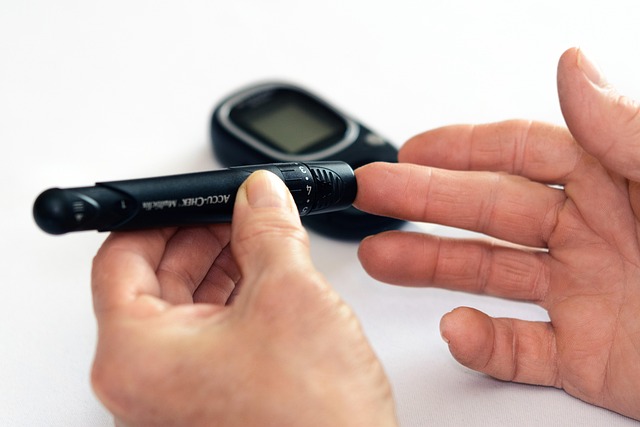
In the UK, Vitamin D levels testing has become an integral part of overall wellness monitoring. This process typically involves a simple blood test that measures the amount of Vitamin D in your blood. The cholesterol blood test UK often includes Vitamin D screening as part of its routine checks, given the significant role Vitamin D plays in maintaining bone health and supporting immune function. Healthcare professionals use this data to assess if an individual’s Vitamin D levels are within the optimal range, ensuring their body functions at its best.
The procedure is straightforward: a small sample of blood is taken from a patient’s vein, usually in the arm, and sent to a laboratory for analysis. The test results provide valuable insights into Vitamin D status, enabling healthcare providers to make informed decisions about any necessary supplements or lifestyle adjustments to optimize overall wellness. This proactive approach aligns with the growing emphasis on preventive healthcare in the UK.
Interpreting Results: Optimizing Cholesterol and Health
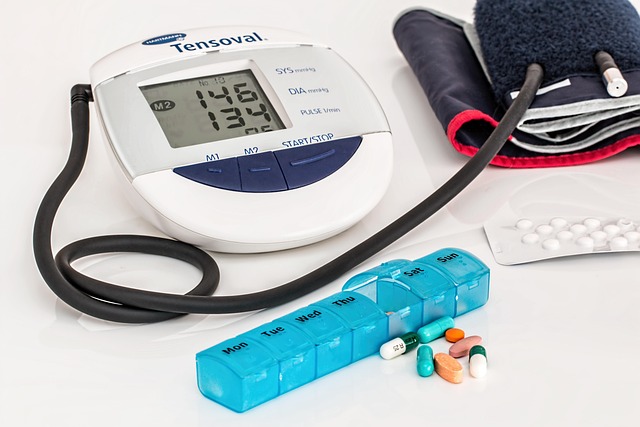
When interpreting Vitamin D levels, it’s crucial to consider its impact on overall health, especially in relation to cholesterol. In the UK, a cholesterol blood test is a common practice to assess cardiovascular health. Optimising Vitamin D levels can be part of a holistic approach to managing cholesterol. Research suggests that adequate Vitamin D can contribute to healthier cholesterol readings by promoting the conversion of cholesterol into bile acids, which aid in digestion and nutrient absorption.
A deficiency in Vitamin D has been linked to higher LDL (bad) cholesterol levels. By ensuring optimal Vitamin D levels through regular testing and appropriate supplementation if needed, individuals can support their body’s natural processes for maintaining healthy cholesterol balance. This strategy, alongside a balanced diet and regular exercise, forms a comprehensive approach to wellness that includes both cardiovascular health and robust immune function.
Vitamin D levels testing is a valuable tool for monitoring overall wellness, especially in the context of cholesterol management. By understanding the importance of Vitamin D and interpreting test results accurately, individuals in the UK can optimize their health and reduce risks associated with low Vitamin D and high cholesterol levels. Regularly checking these vital markers can be a game-changer in promoting a healthy lifestyle and ensuring long-term well-being. So, take control of your health by considering a cholesterol blood test UK and consulting healthcare professionals for personalized guidance.